Saturday, October 10, 2026
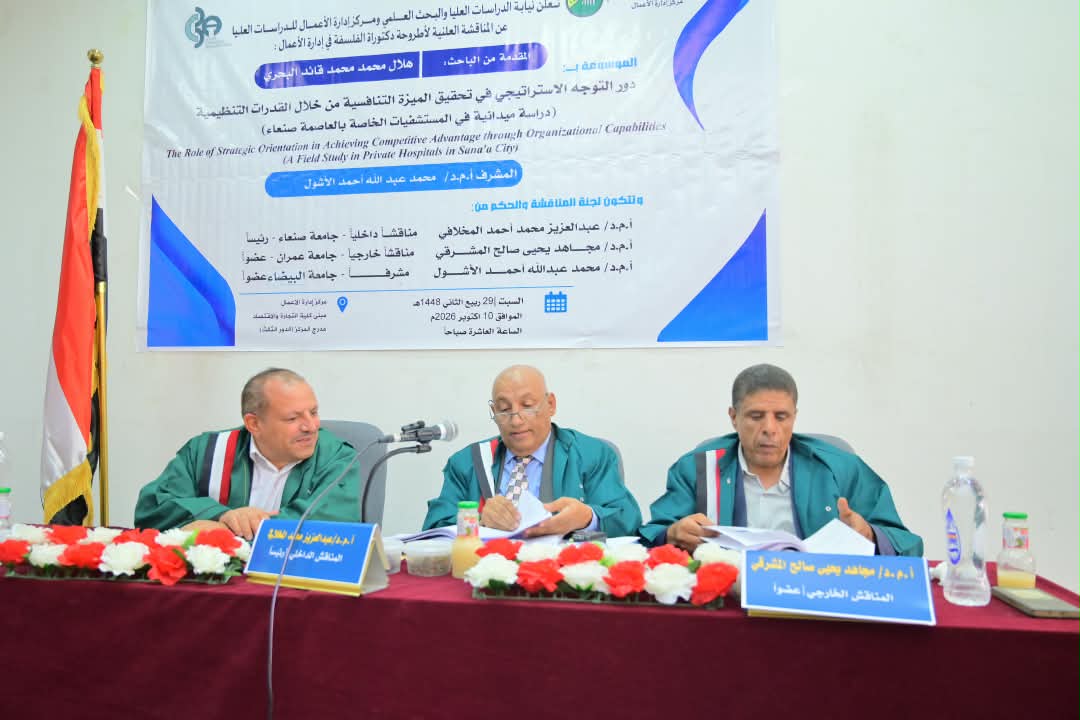
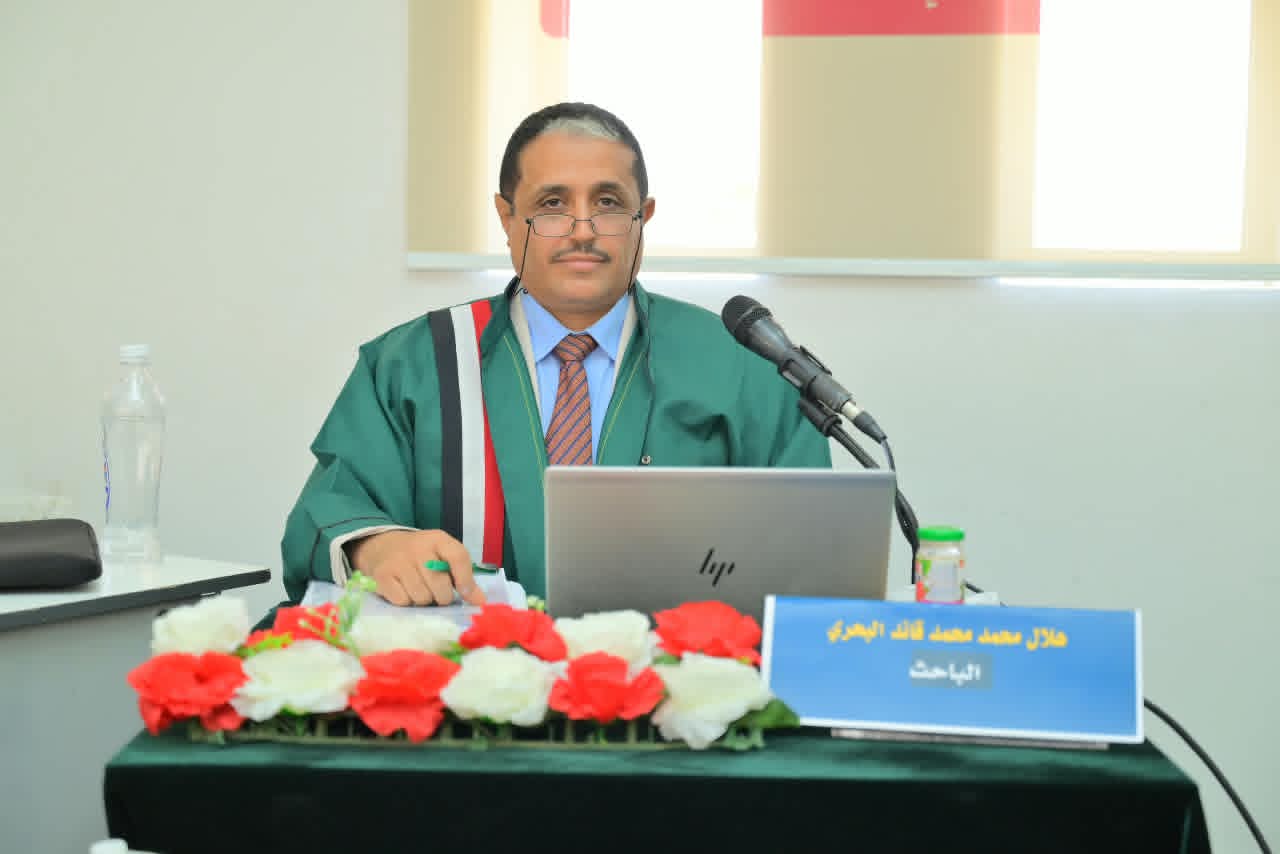
Researcher Hilal Mohammed Mohammed Qaed Al-Buhairi was awarded a PhD degree in Business Administration by the Center of Business Administration for Graduate Studies at Sana’a University for his dissertation entitled: “The Role of Strategic Orientation in Achieving Competitive Advantage through Organizational Capabilities: A Field Study in Private Hospitals in the Capital Sana’a.”
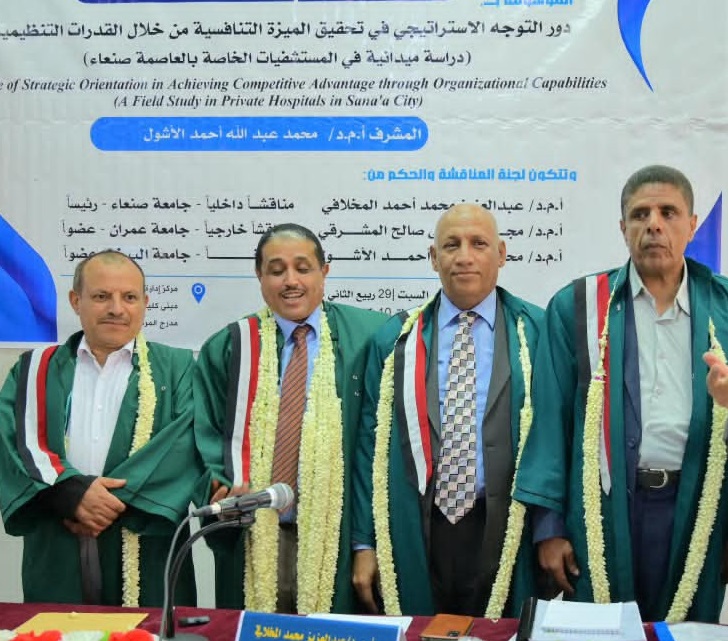
The Dissertation Defense and Examination Committee consisted of Assoc. Prof. Dr. Abdulaziz Mohammed Al-Mekhlafi, Sana’a University, Internal Examiner and Committee Chair; Assoc. Prof. Dr. Mujahid Yahya Saleh Al-Mashraqi, Amran University, External Examiner and Committee Member; and Assoc. Prof. Dr. Mohammed Abdullah Ahmed Al-Ashwal, Al-Bayda University, Supervisor and Committee Member.
The study aimed to investigate the role of strategic orientation, encompassing six dimensions—vision, mission, objectives, market orientation, entrepreneurial orientation, and technology orientation—in achieving competitive advantage across its dimensions of quality, cost, and responsiveness. It also examined the mediating role of organizational capabilities, comprising human, physical, and marketing capabilities, in private hospitals in the capital Sana’a.
The study adopted a quantitative descriptive-analytical approach and employed purposive stratified sampling to select 15 private hospitals in the capital Sana’a, representing 26.3% of the actual population of licensed and classified hospitals. A census approach was then applied to senior and middle management in the selected hospitals. Data were collected using a structured questionnaire. Following data screening and the exclusion of outliers, 354 valid responses were retained for analysis. The data were analysed using Partial Least Squares Structural Equation Modelling (PLS-SEM) with SmartPLS 4.
The findings revealed that strategic orientation had a strong direct effect on achieving competitive advantage and developing organizational capabilities. They also confirmed the partial mediating role of organizational capabilities in the relationship between strategic orientation and competitive advantage. Furthermore, the model demonstrated a high level of explanatory power for the dependent variable.
The results further indicated that technology orientation and entrepreneurial orientation were the most influential dimensions in developing and stimulating organizational capabilities. Meanwhile, technology orientation and market orientation emerged as the dimensions with the strongest direct effects on enhancing competitive advantage in the hospitals under study.
The findings also revealed a disconnect between strategic vision and competitive advantage. Although strategic vision contributed to the development of internal capabilities, it had no direct effect on competitive advantage, indicating that its influence was transmitted entirely through organizational capabilities. In contrast, mission and objectives had direct effects on competitive advantage, while their effects on organizational capabilities were confined to indirect pathways, according to the model results.
The analysis further demonstrated that physical capabilities constituted the most influential mediating channel through which strategic orientation exerted its effects, followed by marketing capabilities and then human capabilities. The study highlighted the importance of organizational capabilities in activating strategic orientation and translating it into tangible competitive outcomes. These findings underscore the significance of dynamic capabilities in strengthening hospitals’ ability to adapt and remain resilient amid the crises and fluctuations affecting the Yemeni environment.
The study concluded that achieving competitive advantage in private hospitals depends not merely on formulating strategic orientations and visions, but also on translating them into effective implementation practices and developing the organizational capabilities necessary to convert them into tangible improvements in quality, cost, and responsiveness.
The study recommended translating broad strategic visions into clear operational objectives aligned with available capabilities and prioritizing digital transformation as one of the most important drivers of competitive superiority. It also recommended developing specialized marketing capabilities to translate the technical quality of healthcare services into a positive image and reputation among beneficiaries. In addition, the study called for adopting flexible business models that enable hospitals to adapt and withstand fluctuations in the Yemeni environment, thereby strengthening their ability to sustain operations and remain competitive.
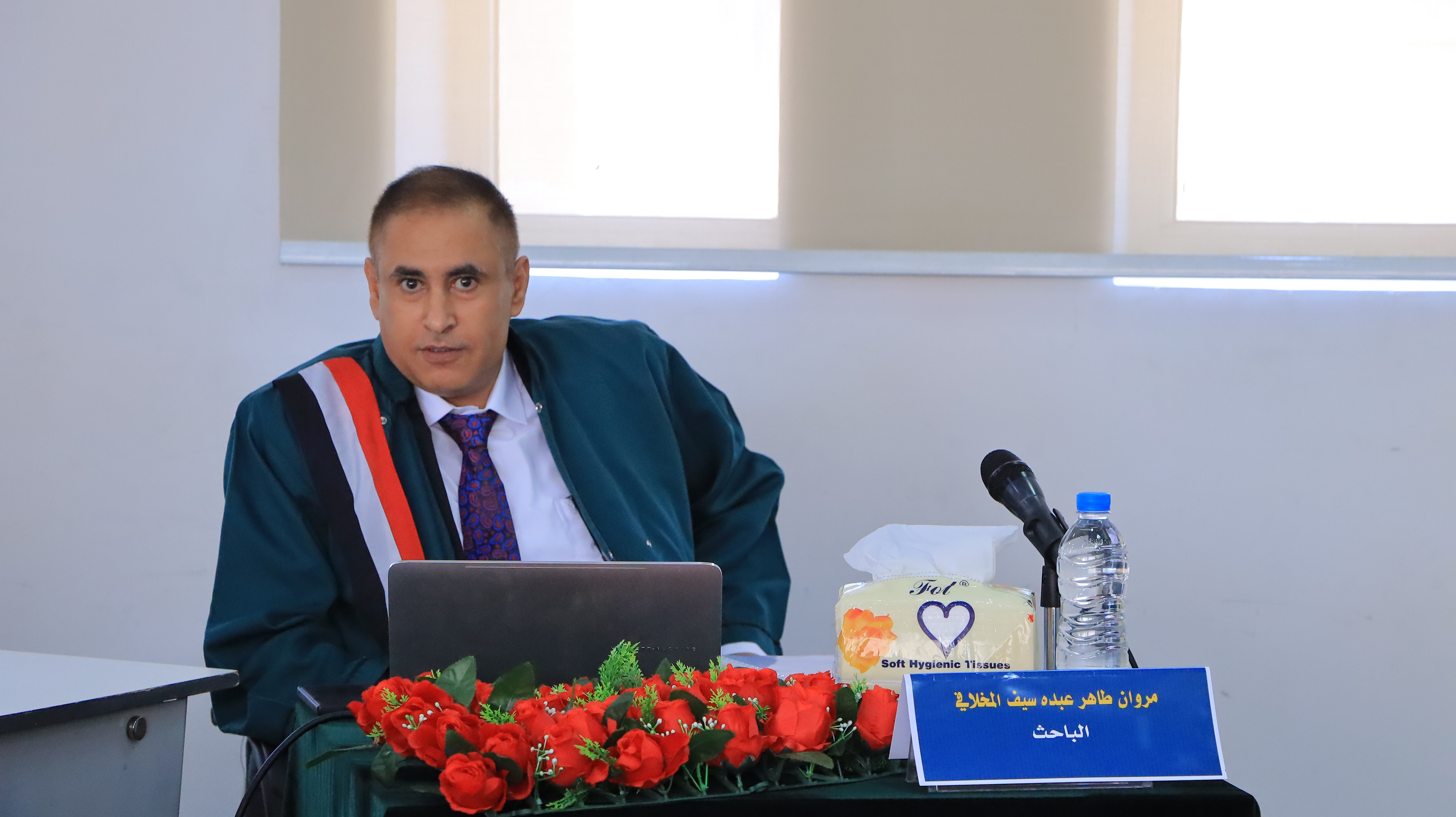
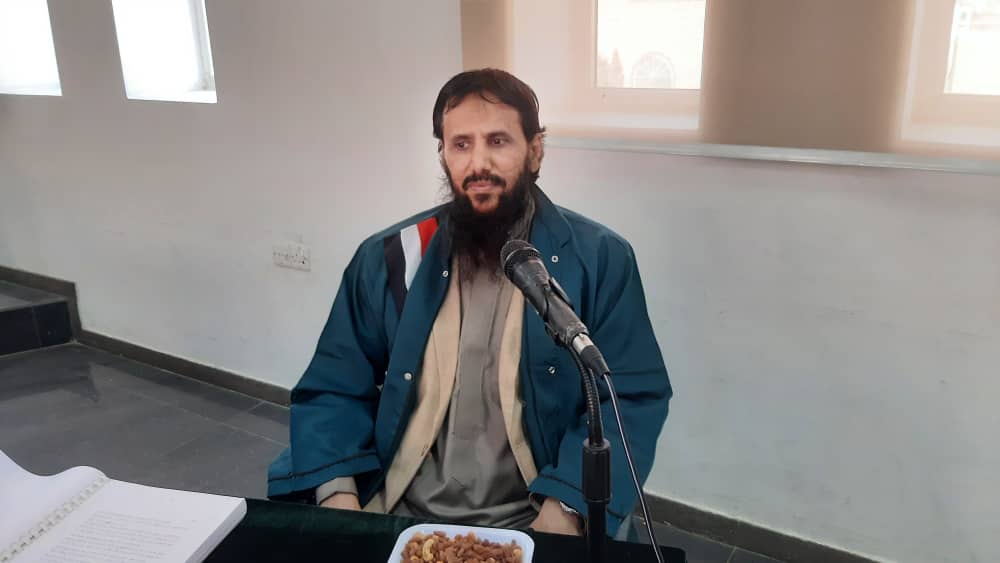
The dissertation defense was attended by a number of academics, researchers, and other interested participants, alongside the researcher’s colleagues and family members.