Sana’a – Media Office of the Faculty of Applied Medical Sciences, Sana’a University
Thursday, November 5, 2026
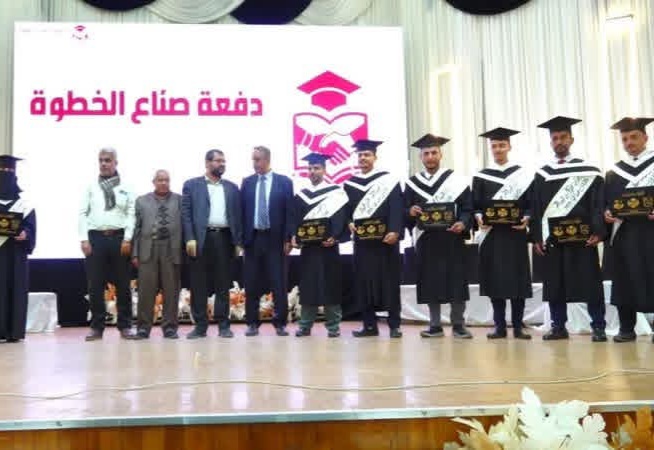
Sana’a University’s Faculty of Applied Medical Sciences held a celebratory event marking World Prosthetics and Orthotics Day and honoring the graduation of the first batch of its Bachelor’s Program in Prosthetics and Orthotics. The occasion also celebrated a major milestone in the program’s academic journey: its achievement of international accreditation under ISPO Category I, awarded by the International Society for Prosthetics and Orthotics (ISPO).
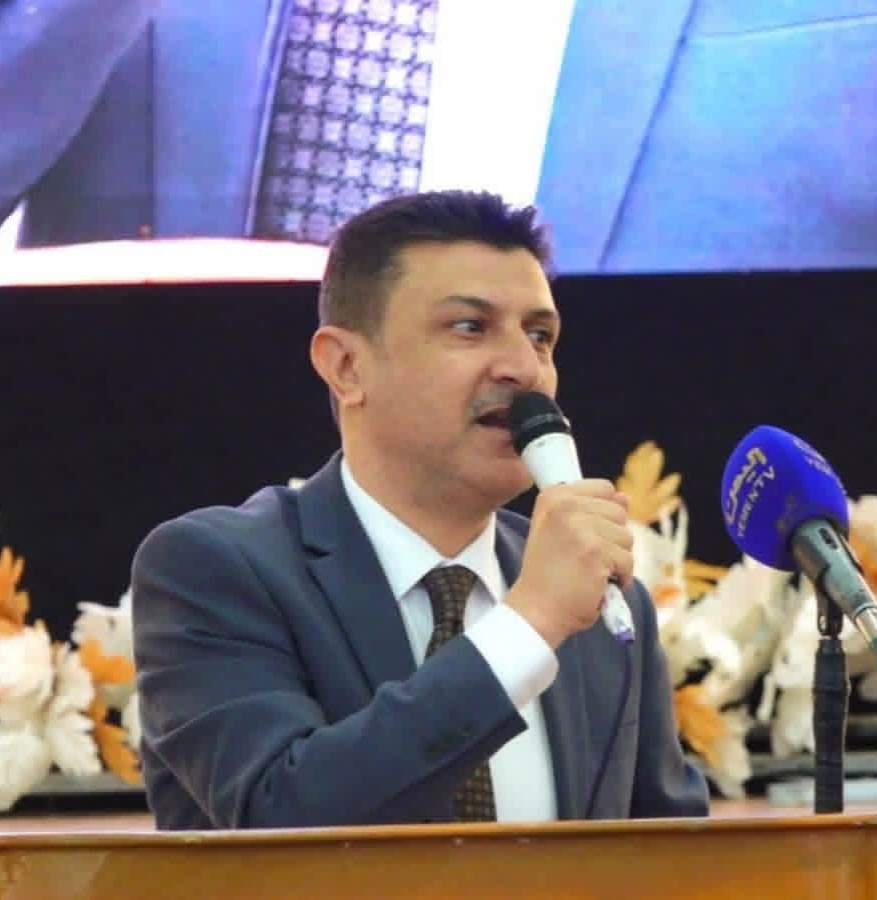
During the ceremony, Prof. Ali Shaiban, Minister of Health and Environment, extended his congratulations to the graduates, highlighting the importance of prosthetics and orthotics as a vital humanitarian and medical specialty that contributes to improving the quality of life of persons with disabilities and enhancing their independence and ability to carry out daily and occupational activities.
He noted that Yemen is witnessing an increasing need for qualified and specialized professionals in this field, particularly under current circumstances and the challenges they pose to healthcare and rehabilitation services. He also highlighted the Ministry’s efforts to develop prosthetic and physical therapy services and keep pace with relevant scientific and technological advances.
He described the program’s achievement of “ISPO Category I” international accreditation as a national milestone and international recognition that underscores the importance of advancing applied medical education and preparing specialized professionals in accordance with internationally recognized academic and professional standards.
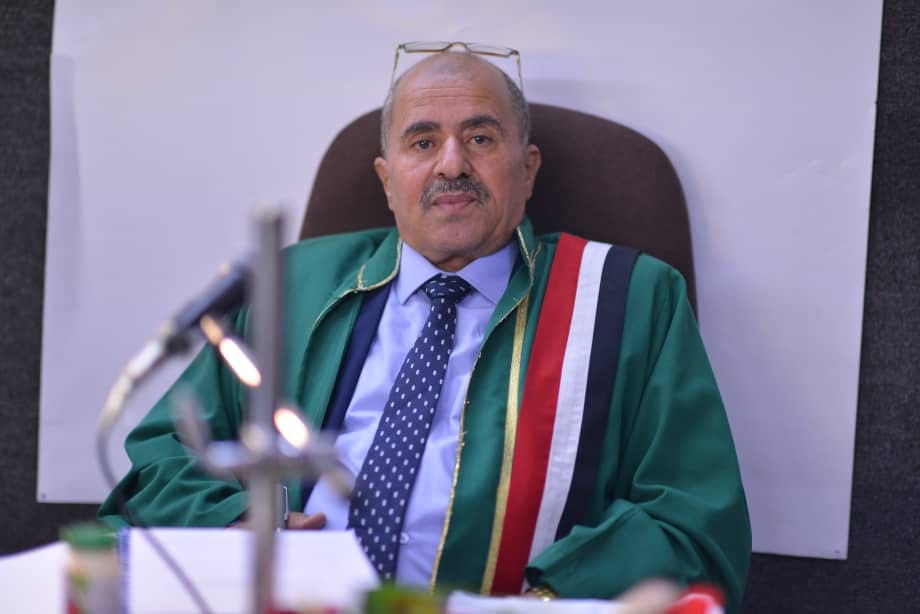
For his part, Prof. Hatem Al-Dois, Vice Minister of Education and Scientific Research, congratulated the graduates and commended Sana’a University and its Faculty of Applied Medical Sciences for establishing and developing applied academic programs and preparing qualified national professionals capable of meeting society’s needs in medical and rehabilitation fields.
He emphasized that the graduation of the first cohort, coupled with the program’s international accreditation, represents a significant addition to the development of university education and an important step toward improving the quality of academic and professional outcomes.
Dr. Khaled Al-Khamisi, Dean of the Faculty of Applied Medical Sciences, stated that this achievement marks a pivotal milestone in the development of applied medical education in Yemen. It also reflects the Faculty’s successful vision of establishing specialized academic programs that respond to national needs and keep pace with scientific and professional developments and international standards in applied medical disciplines.
He pointed out that the Bachelor’s Program in Prosthetics and Orthotics is the first of its kind among Yemeni and regional universities. It represents a strategic step toward developing local expertise in this vital specialty and preparing qualified national specialists equipped with the scientific and professional competencies required to design, manufacture, and fit prostheses and orthotic devices, contribute to the development of rehabilitation services, and improve the quality of life of persons with disabilities.
He further emphasized that the program’s achievement of ISPO Category I international accreditation represents internationally recognized validation of its quality and the outcome of comprehensive academic, institutional, and training efforts. It also demonstrates the program’s competence and commitment to internationally recognized standards for preparing specialized professionals. In this regard, he commended the leadership of Sana’a University, the academic and technical staff, and the program’s partners, particularly the International Committee of the Red Cross (ICRC), for their support in establishing the program and developing its academic and training components.
The Dean added that the Faculty remains committed to developing its academic programs, strengthening local and international partnerships, and promoting quality assurance and academic accreditation. These efforts aim to achieve institutional excellence, improve educational outcomes, and meet the needs of society and the labor market in applied medical specialties.
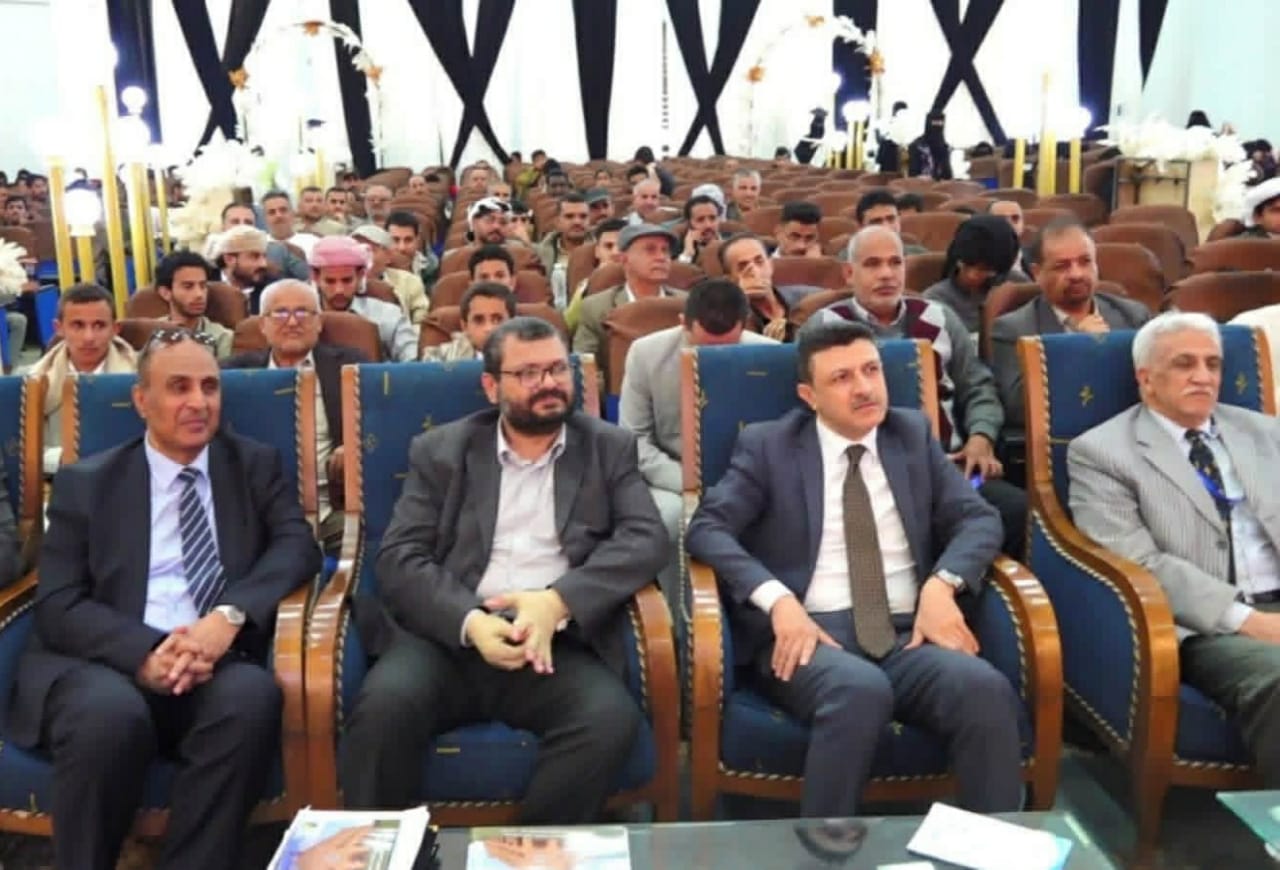
The event was attended by Dr. Abdulhafidh Thawaba, Rector’s Assistant for Medical Faculties, and the Faculty’s Vice Deans. Specialist Abdullah Habil delivered the graduates’ speech, expressing their pride in completing their university studies and gratitude to the Faculty’s administration, faculty members, and everyone who contributed to their academic and practical preparation. He also acknowledged the support and encouragement their families had provided throughout their years of study.
The ceremony also featured the administration of the professional oath to the graduates. Dr. Idris Ali Idris, Vice Dean for Student Affairs, administered the oath, marking the beginning of their professional careers and their commitment to fulfilling their responsibilities in accordance with professional principles and ethical standards.
The event further included the honoring of the Minister of Health and Environment, who received the Faculty’s shield. The Faculty administration, academic and technical staff, and graduates were also recognized. In addition, Ali Al-Awaj, Director of the Ministry of Health’s Prosthetics and Physical Therapy Center, and his deputy, Dr. Mohammed Jiyash, were honored in recognition of their efforts and effective cooperation with the program, particularly in providing students with practical and professional training opportunities that strengthened the program’s hands-on component and equipped them with the experience necessary for professional practice.
The graduation of the first batch and the program’s achievement of international accreditation represent an important step in advancing applied medical education at Sana’a University. They also strengthen the capacity of national academic institutions to prepare specialized professionals who can contribute to developing local medical and rehabilitation services and meeting the needs of persons with disabilities in accordance with sound scientific and professional principles and international standards.