Sana'a – Sana'a University Media
Tuesday, September 22, 2026, corresponding to Rabi' al-Thani 11, 1448 AH
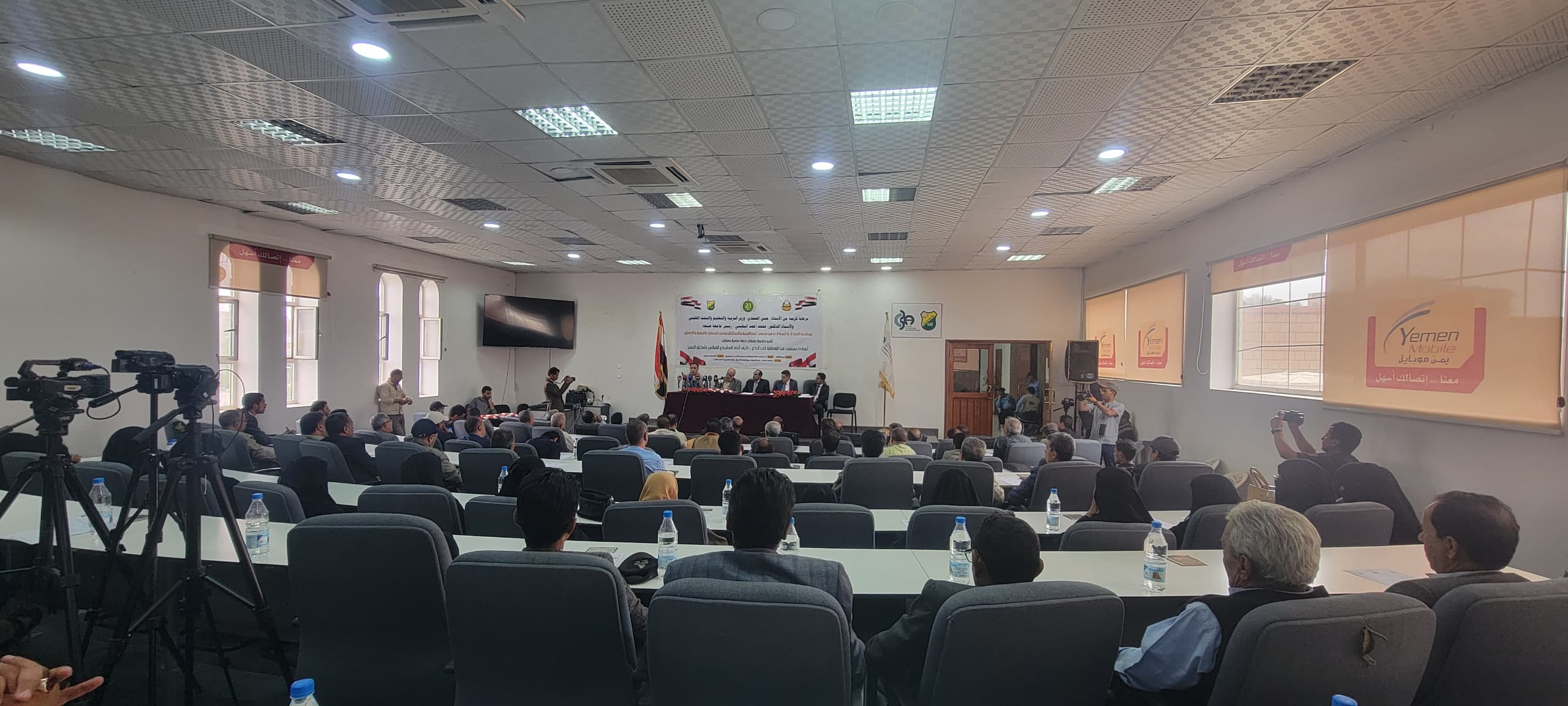
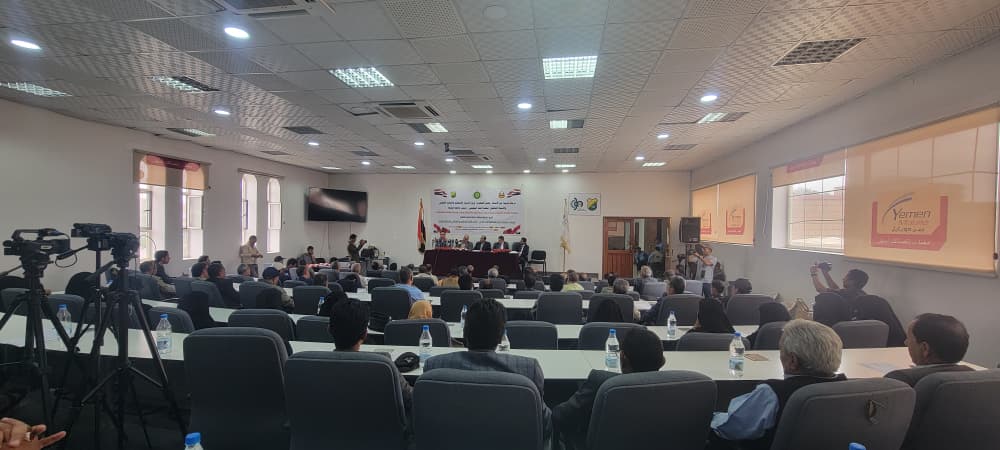
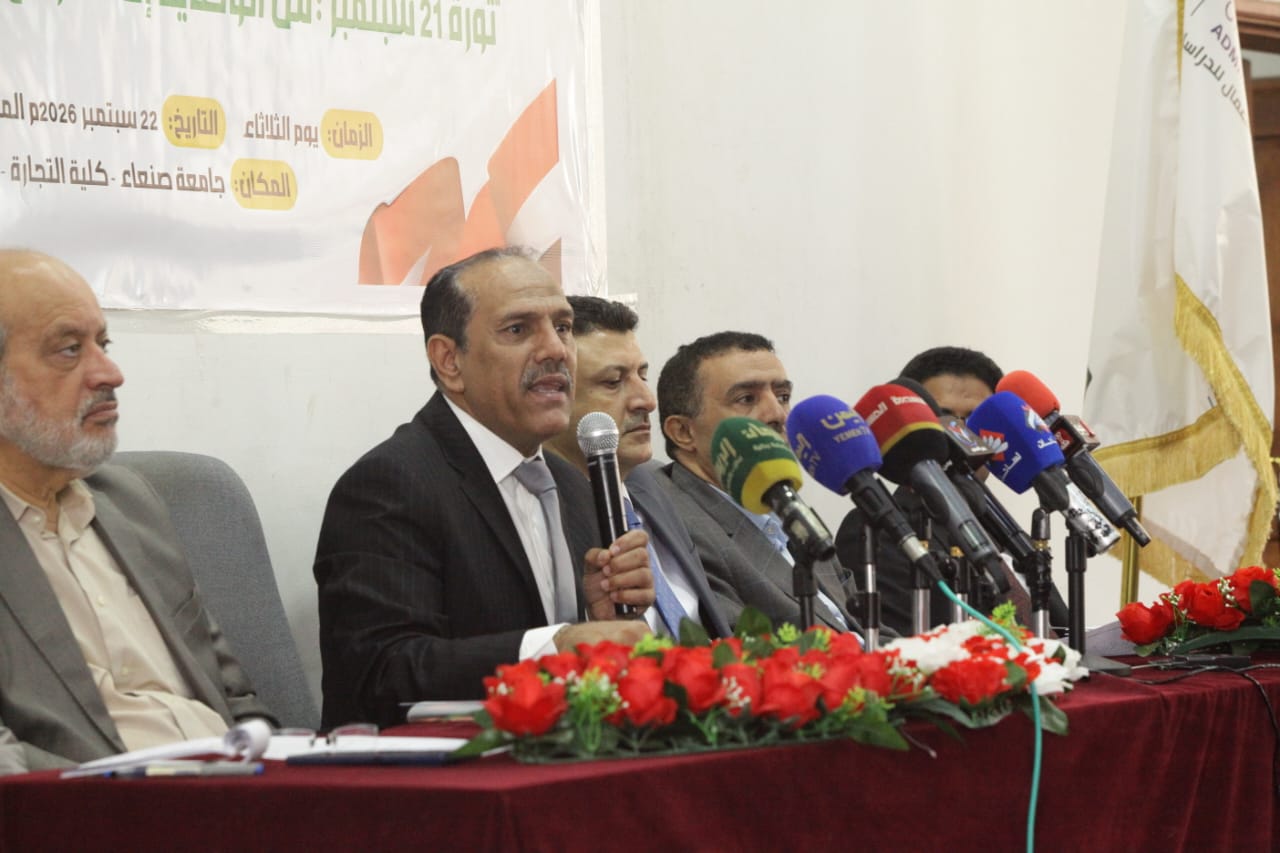
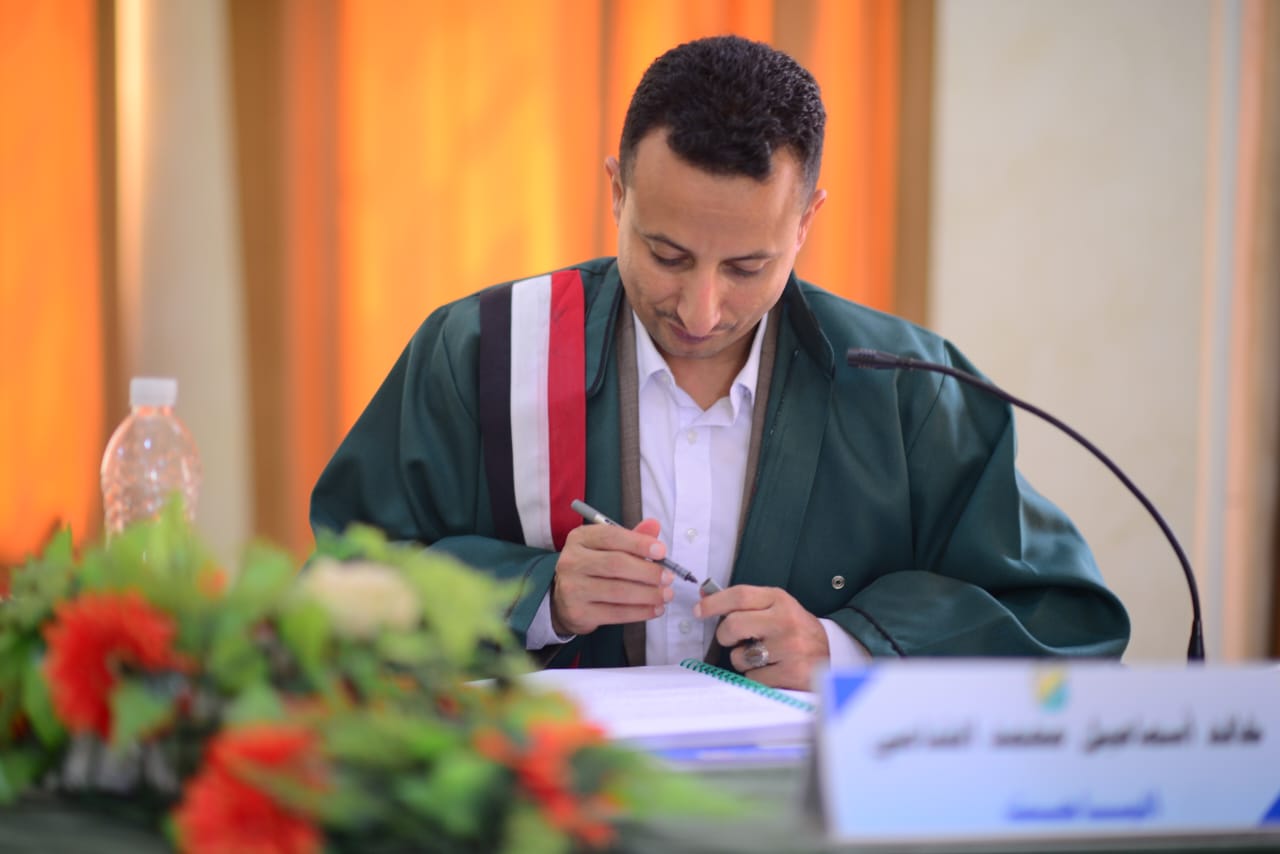
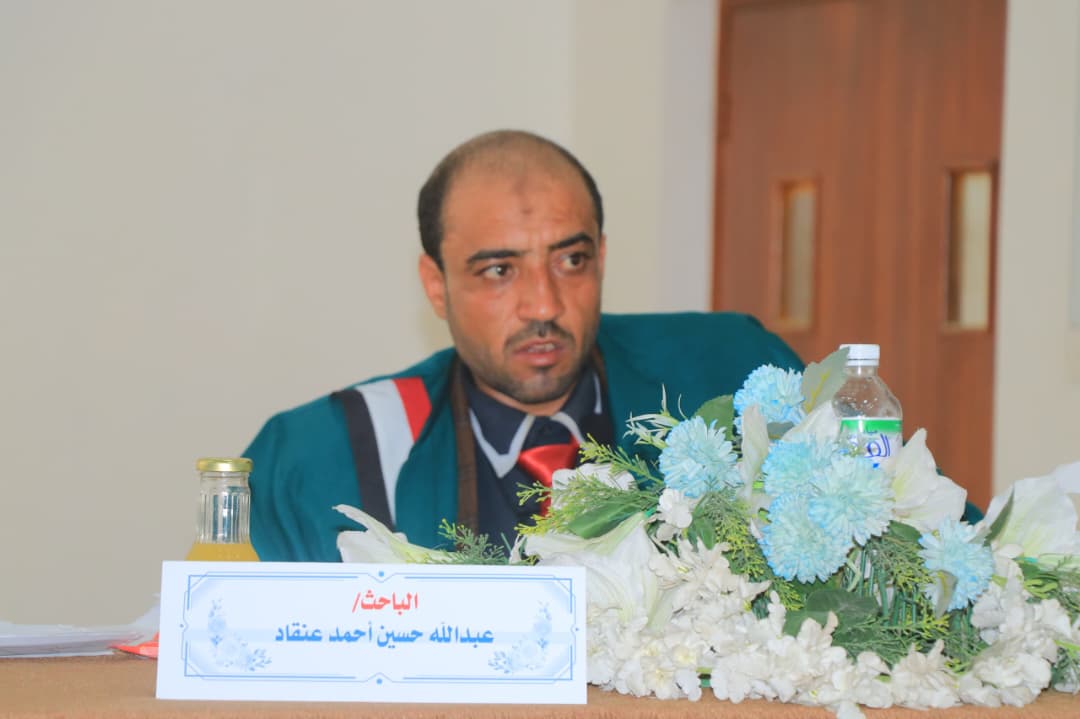
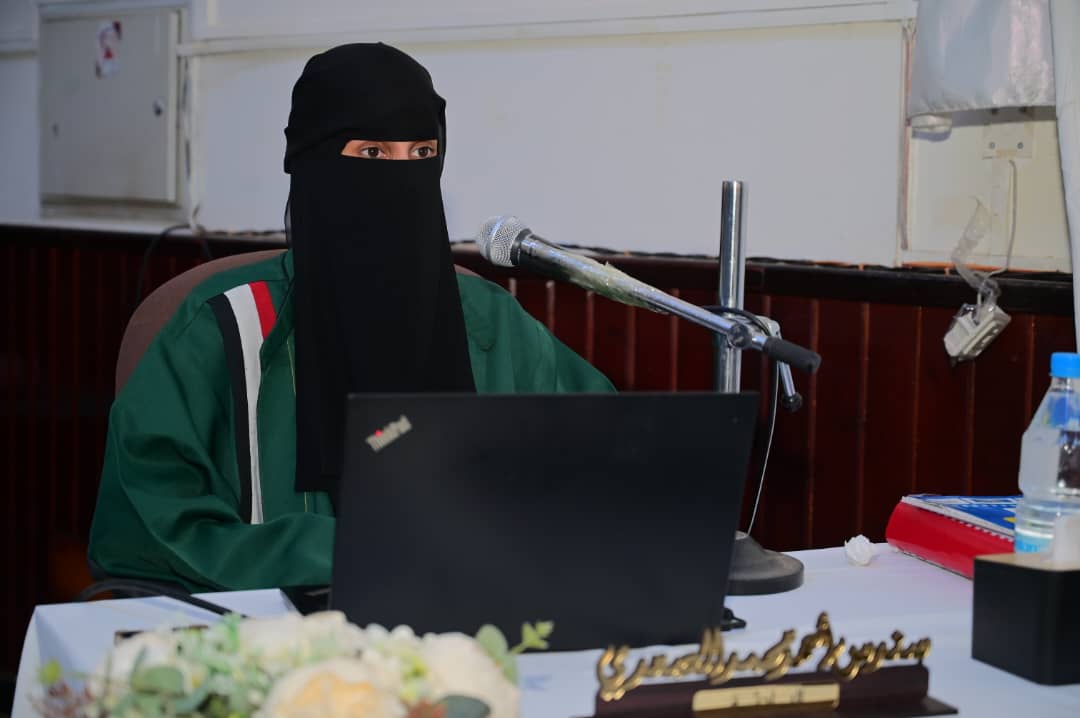
Sana'a University held an intellectual symposium today titled “The September 21 Revolution: From Foreign Guardianship to Deterrence - How the Qur'anic Project Reshaped Yemen.” This symposium marked the 12th anniversary of the September 21 Revolution. The event brought together academics, researchers, faculty deans, and faculty members.
During the event, attended by Prof. Omar Al-Bukhaiti, Vice Minister of Information, Prof. Hatem Al-Dois, Vice Minister of Education and Scientific Research, emphasized the importance of the symposium in presenting scholarly and systematic perspectives on the dimensions and objectives of the September 21 Revolution and examining the transformations the country has witnessed in the political, cultural, economic, social, and military spheres.
Prof. Al-Dois stated that the symposium provided researchers with an opportunity to study and document the changes Yemen has experienced over the past 12 years through a scientific approach. He pointed to what he described as shifts in the country's deterrence equation, alongside developments in agricultural self-sufficiency and national capabilities.
Then, Prof. Mohammed Ahmed Al-Bukhaiti, University Rector, explained that the symposium aimed to shed light on the dimensions and objectives of the September 21 Revolution and develop recommendations that could benefit decision-makers and researchers.
Prof. Al-Bukhaiti reviewed the role of the University's academics and staff in continuing to fulfill their educational, administrative, and research responsibilities over the past years. He also discussed the University's situation before the September 21 Revolution and the subsequent developments in its academic, educational, administrative, and research activities, infrastructure, and academic programs.
He noted that the number of graduate programs at the University had increased from 15 programs in 2015 to 236 MA and PhD programs in 2026, highlighting developments achieved across several areas of academic, educational, and research advancement.
The University Rector also addressed Yemen's position on the Palestinian cause and what he described as support for the Palestinian people, placing this position within the context of the transformations Yemen has undergone in recent years.
The symposium featured three research papers. The first, presented by Dr. Hani Al-Mughales, Dean of the Faculty of Commerce and Economics at Sana'a University, addressed “Yemen Before the September 21 Revolution: The Structure of Foreign Guardianship and Dependency and the Fragmentation of National Decision-Making.” The second paper, presented by researcher Anas Al-Qadhi, examined “The September 21 Revolution: Past Realities, Present Challenges, and Future Prospects.”
In the third paper, Palestinian researcher and writer Dr. Mohammed Al-Buhaysi addressed “Yemen After the September 21 Revolution: The Blockade-for-Blockade Equation, Deterrence, and Support for Gaza.”
According to their presenters, the papers examined the transformations Yemen has undergone in recent years across the political, security, military, economic, and social spheres, as well as issues related to sovereignty and national decision-making, Yemen's position on the war in Gaza, and the role attributed to the Qur'anic Project in shaping national and regional positions.
The papers also addressed developments in Yemen's security situation before and after the revolution and efforts related to maintaining security and stability. They further discussed Yemen's position toward the war on Gaza and the presenters' perspectives on Yemen's roles at the regional and international levels.
The symposium was attended by Prof. Zaid Al-Warith, Rector’s Assistant for Centers Affairs, along with a number of academics, researchers, faculty deans, and faculty members at Sana'a University.