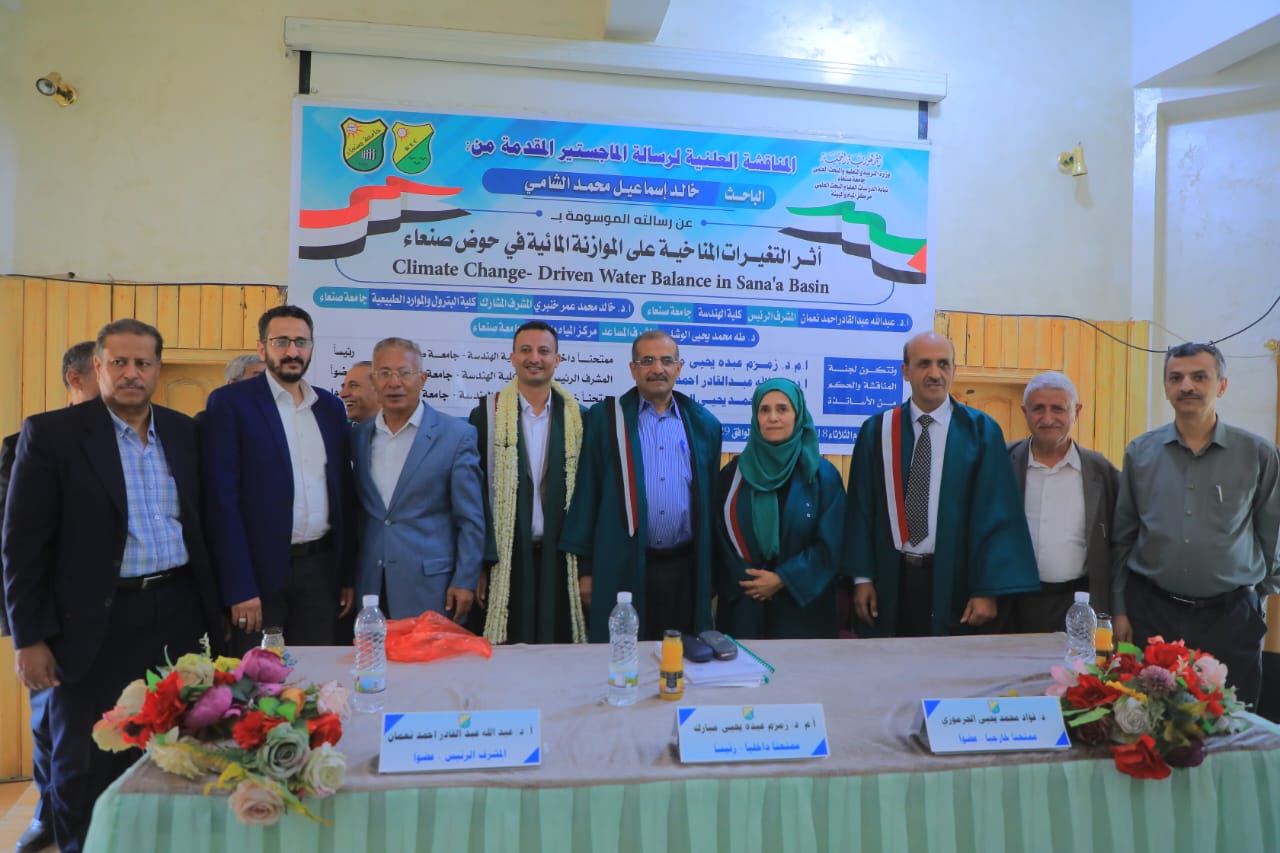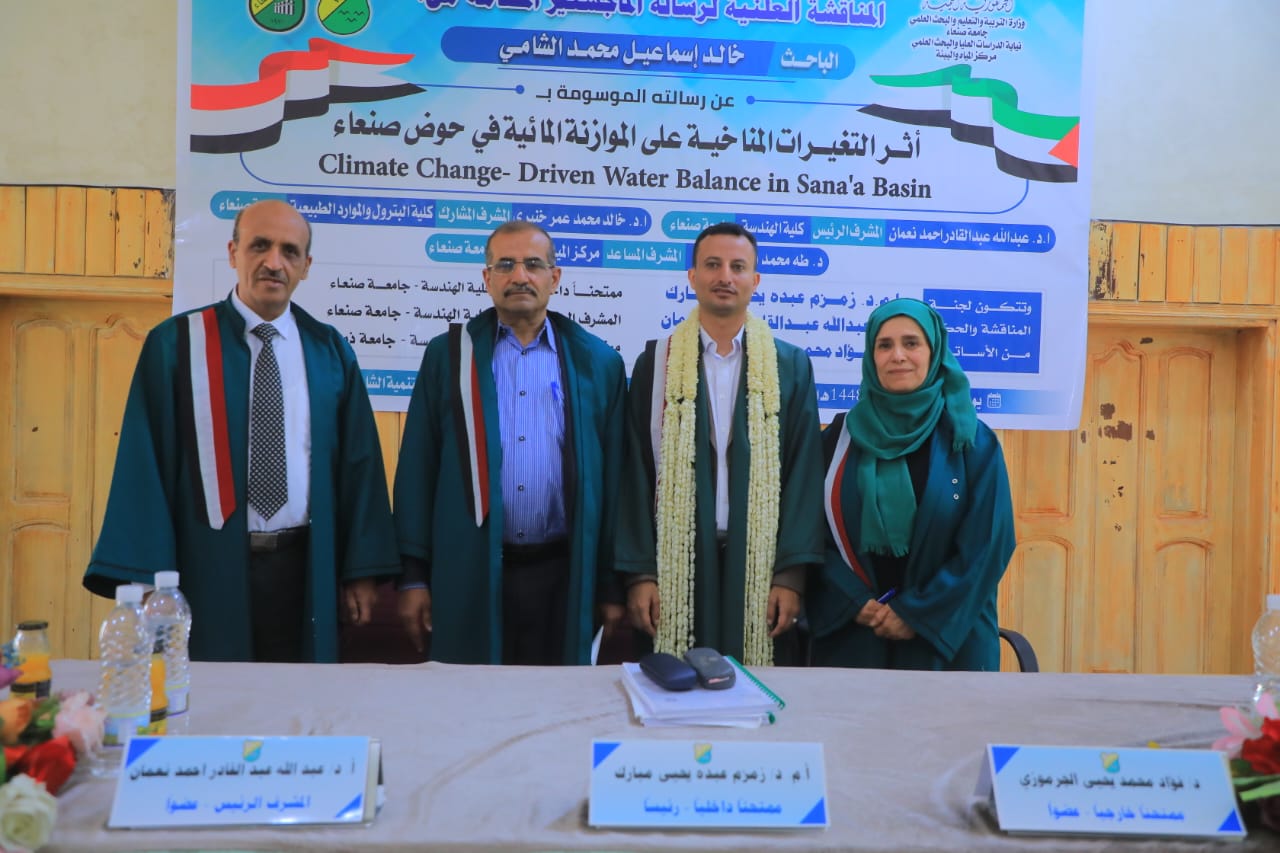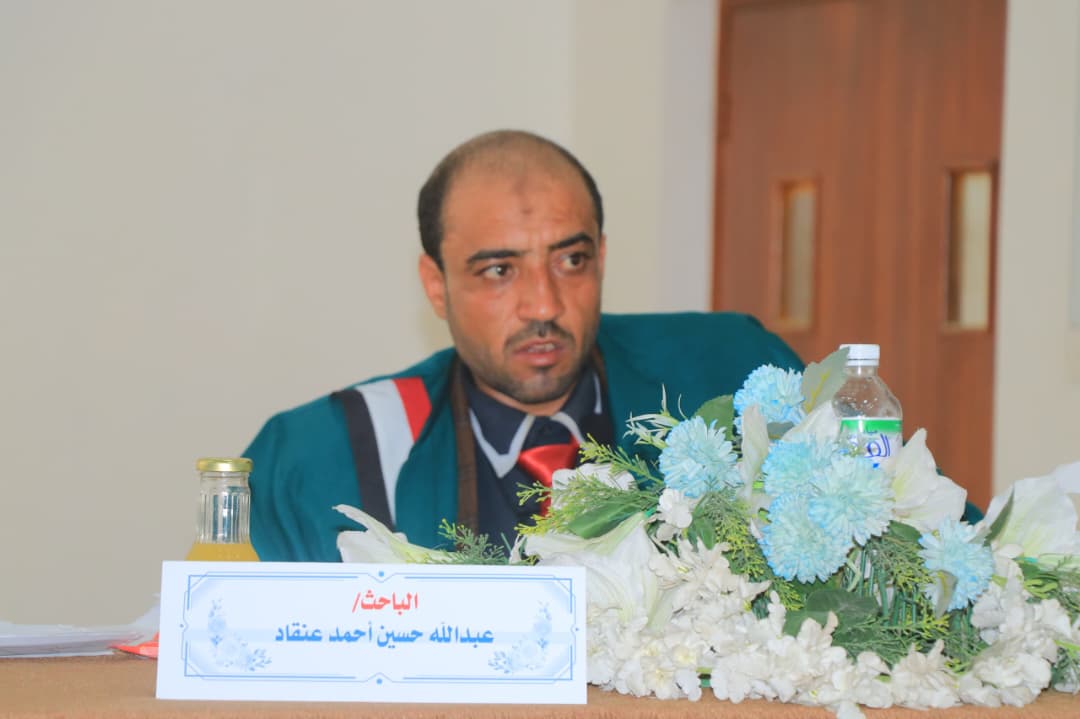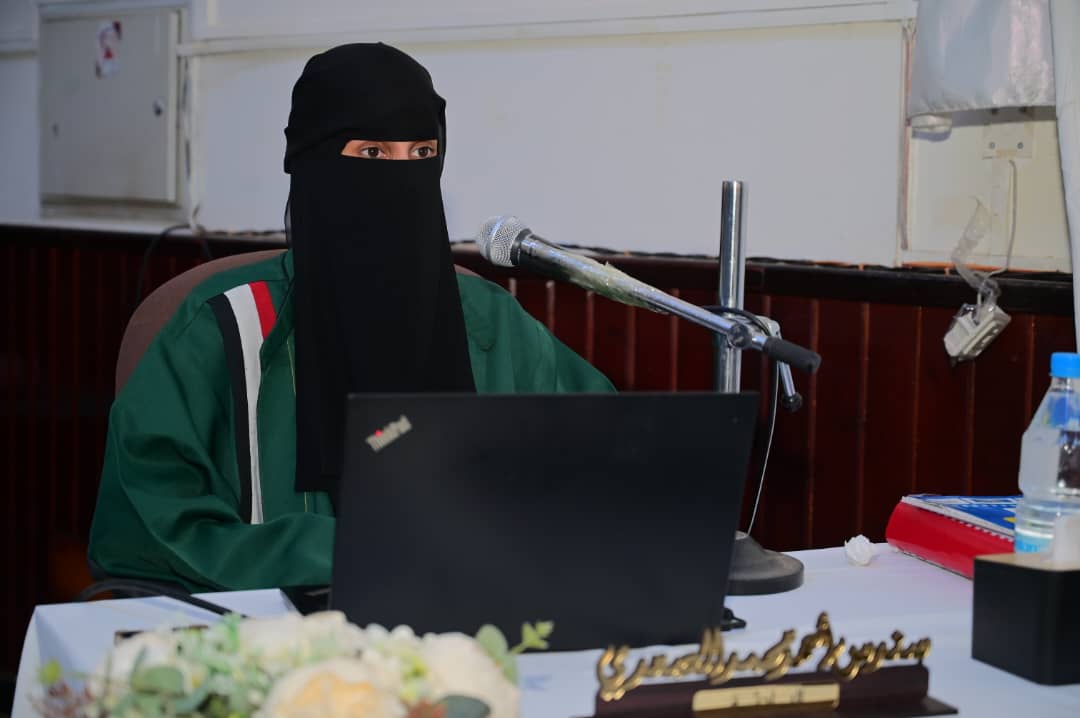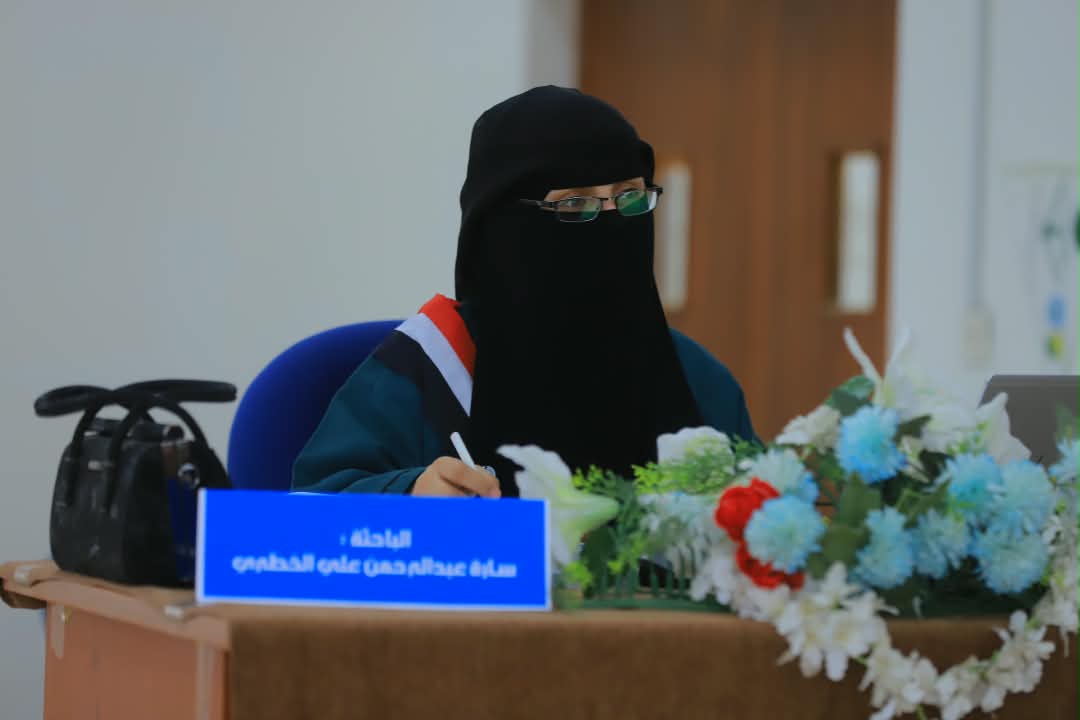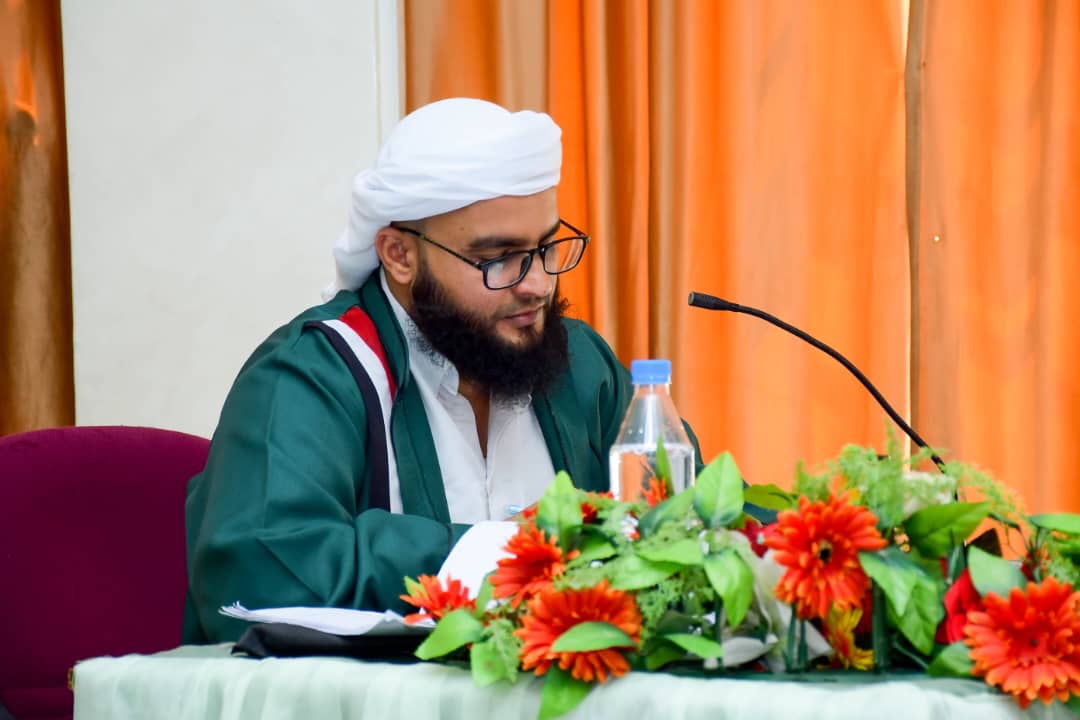
Researcher Khalid Ismail Mohammed Al-Shami was awarded a Master’s Degree in Integrated Water Resources Management for his thesis titled: The Impact of Climate Change on Water Balance in Sana’a Basin, which was submitted to the Water and Environment Center, Sana’a University – Sana’a University. The MA defense was held on Tuesday, September 29, 2026.
The MA Viva-voce Committee, which was formed based on a resolution issued by the Graduate Studies and Scientific Research Council, consisted of the following:
• Assoc. Prof. Zamzam Abdu Mubarak, Sana’a University, Chair and Internal Examiner
• Prof. Abdullah Abdulqader Noaman, Sana’a University, Main Supervisor and Committee Member;
• Dr. Fuad Mohammed Al-Jarmouzi, Thamar University, External Examiner and Committee Member.
The study aimed to assess the impact of climate change on the components of the water balance in the Sana’a Basin using the latest generation of process-based hydrological models (SWAT+), along with the downscaling and bias correction of global climate models under the Sixth Assessment Generation (CMIP6). It also employed daily calibration, explicit representation of water infrastructure, and consideration of spatial changes resulting from urban expansion, with the aim of providing a robust scientific basis for decision-making, water planning, and climate change adaptation.
The study reached several findings, most notably an increasing trend in precipitation rates and temperatures, indicating an increase in renewable water components by the end of the century under the SSP5-8.5 scenario. However, this increase is accompanied by severe climatic variability and rainfall extremes followed by successive periods of drought.
The findings also revealed the role of water-harvesting structures, such as dams and ponds, in mitigating flood risks and enhancing groundwater recharge. They further highlighted the role of rapid urban expansion and impervious concrete surfaces in Sana’a City in transforming the urban plain into a major hotspot for stormwater runoff.
The study recommended that the integrated hydro-climatic modeling approach (SWAT+) be adopted by the General Authority for Water Resources as an official tool for adaptive planning, together with the publication of an annual water-balance bulletin at the sub-basin level.
It also recommended developing a joint strategy between the water resources sector and the Ministry of Agriculture and Irrigation based on expanding water harvesting and agricultural production during wet years as a precautionary measure and utilizing stored water during drought years. The strategy should also regulate urban expansion in the Capital Secretariat and promote vertical development to protect runoff and groundwater-recharge areas, while completing stormwater drainage networks and directing runoff toward water-harvesting facilities.
The study emphasized the importance of developing and expanding the early warning system of the Civil Defense Authority, in cooperation with the General Authority of Aviation and Meteorology and the Ministry of Agriculture, to cover the sub-basins and agricultural areas within the basin.
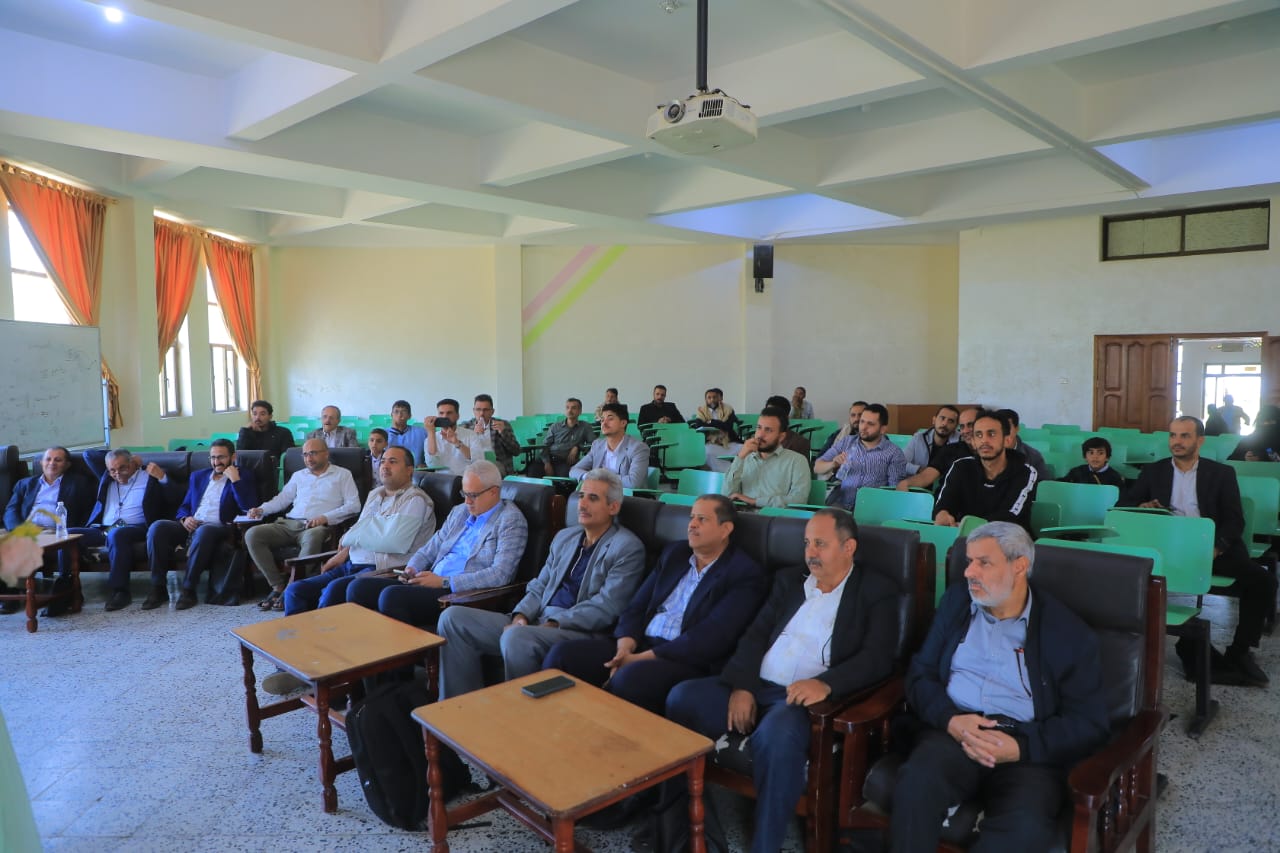
The thesis defense was attended by faculty members, researchers, students, and interested participants as well as the researcher's colleagues and family members.
.