Master’s Degree Awarded to Researcher Fatima Mohammed Babraik in Laboratory Hematology and Blood Transfusion
•Faculty of Medicine and Health Sciences
41 views •
364 words •
2 min read
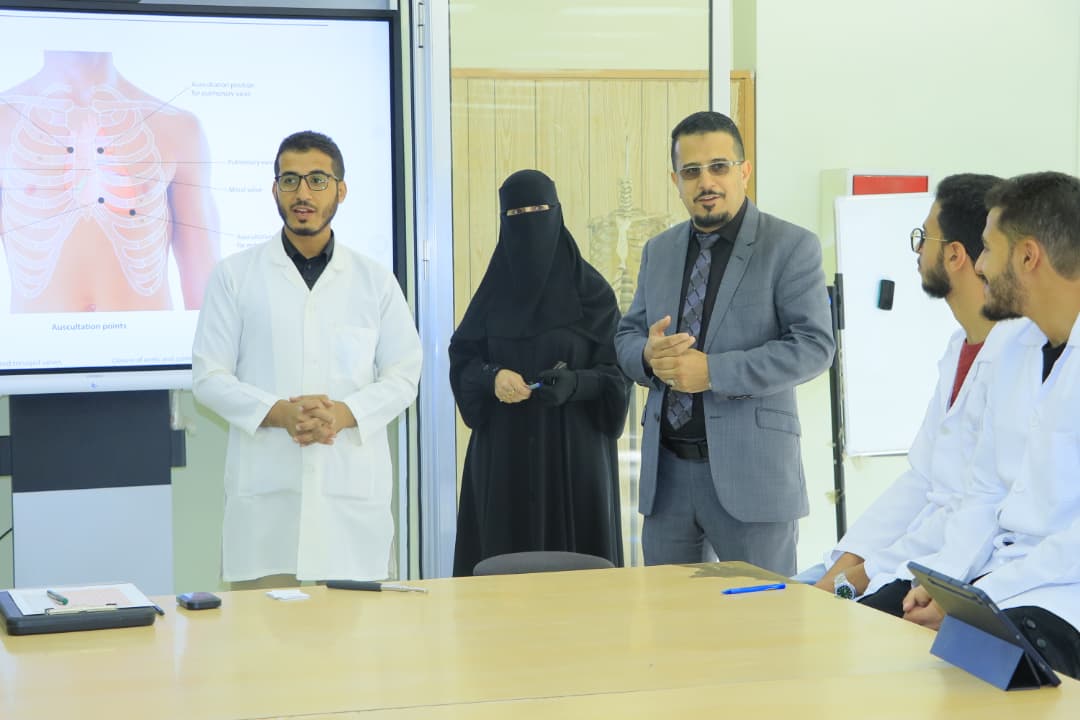
Researcher Fatima Mohammed Nasser Babraik was awarded a Master’s Degree in Laboratory Hematology and Blood Transfusion with a grade of Very Good for her thesis titled: Quantitative Analysis of Glucose-6-Phosphate Dehydrogenase Deficiency among Children in Sana’a City, Yemen, which was submitted to the Department of Hematology, Faculty of Medicine and Health Sciences – Sana’a University. The MA defense was held on Saturday, September 5, 2026.
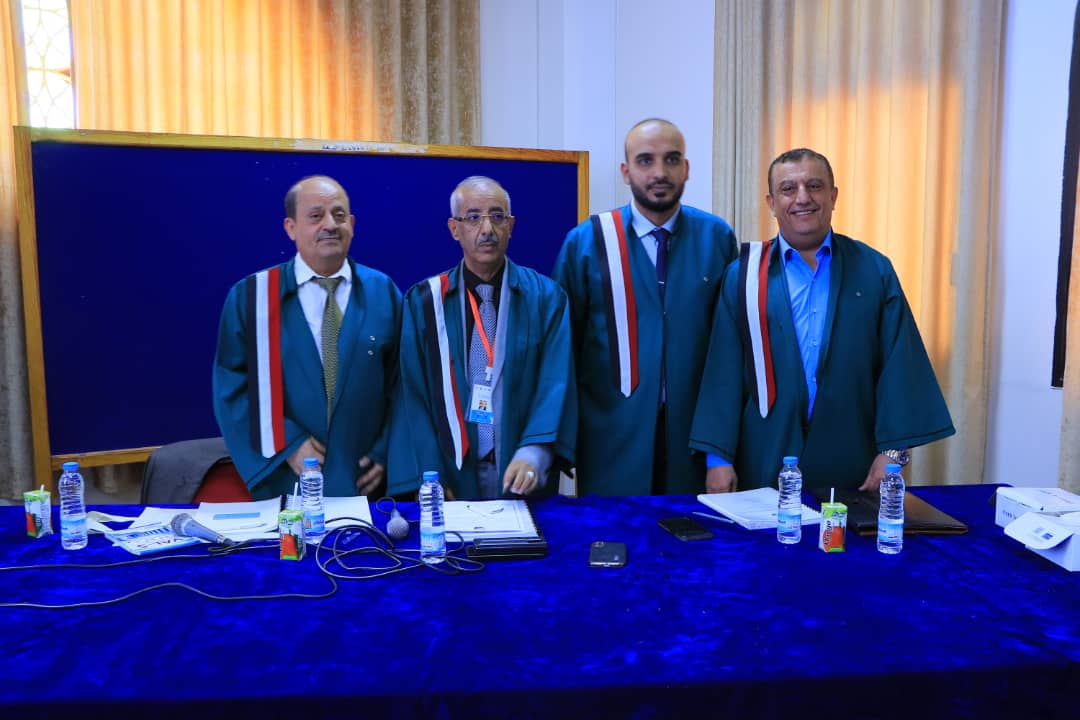
The MA Viva-voce Committee, which was formed based on a resolution issued by the Graduate Studies and Scientific Research Council, consisted of the following:
·Prof. Mohammed Abdulqader Mohammed Al-Nuzaili – Internal Examiner and Chair, Sana’a University.
·Prof. Khaled Abdulkarim Ali Al-Muayyad – Main Supervisor and Committee Member, Sana’a University.
·Prof. Abdulrahman Hafizullah Ahmed Amer – External Examiner and Committee Member, Thamar University.
The study aimed to assess quantitative glucose-6-phosphate dehydrogenase (G6PD) enzyme activity and investigate its association with selected demographic, familial, and clinical factors, as well as factors related to previous exposures, among children with confirmed G6PD deficiency in Sana’a City, Yemen, during 2025.
The study yielded several key findings. Notably, 97.0% of participants were classified as having deficient enzyme activity, while 3.0% exhibited intermediate enzyme activity.
The findings also revealed a statistically significant association between sex and G6PD activity category (p = 0.002). All male participants were classified as having deficient enzyme activity, whereas the three cases with intermediate activity were female.
By contrast, no statistically significant associations were found between enzyme activity category and age groups (p = 0.611) or parental consanguinity (p = 0.244). No significant associations were also observed with a family history of G6PD deficiency, previous exposure to fava beans, oxidant medications, or infection (p > 0.05).
In light of these findings, the researcher made several key recommendations, including incorporating G6PD deficiency screening into newborn care programs in Yemen and developing standardized protocols for managing hemolytic episodes in children. The study also emphasized educating families about the warning signs of hemolysis and the oxidant triggers that may precipitate it.
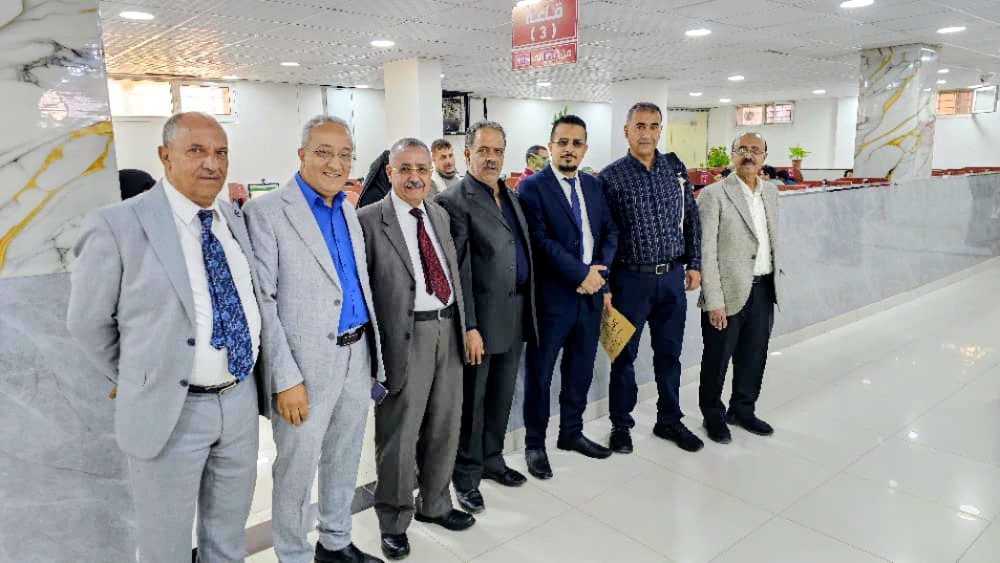
The thesis defense was attended by faculty members, researchers, graduate students, and interested participants as well as the researcher's colleagues and family members.