Sana’a: Faculty of Agriculture, Food, and Environment Media Office
Wednesday, November 4, 2026
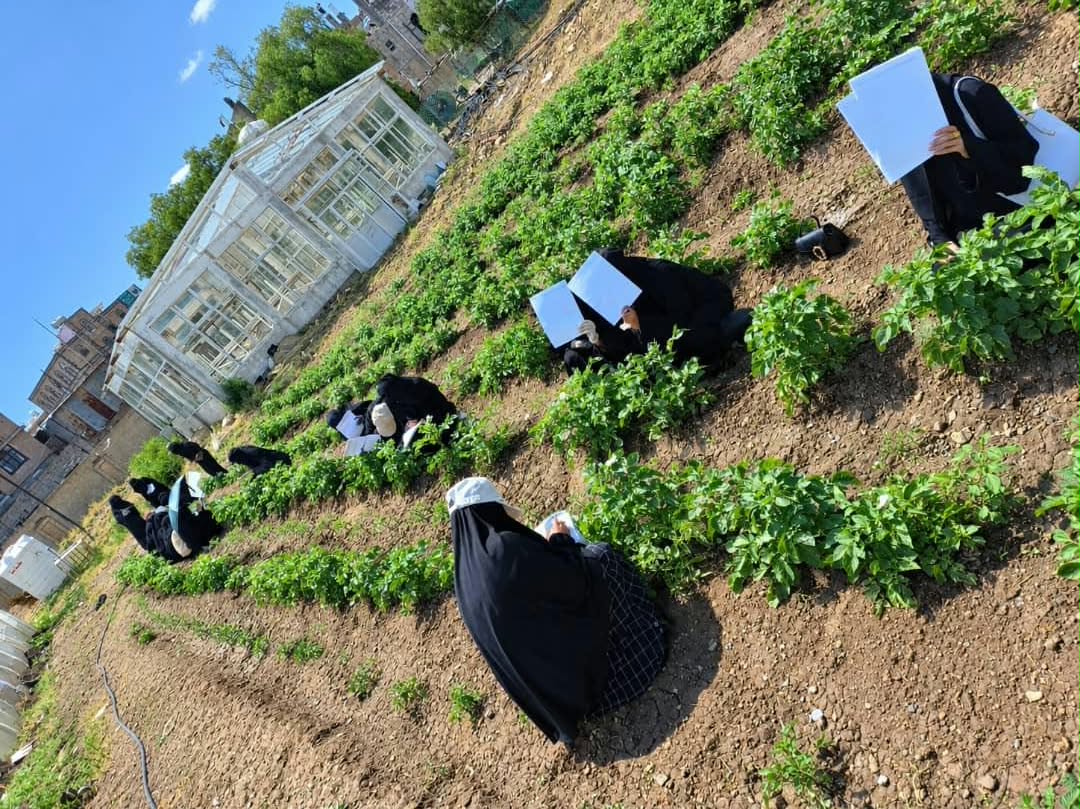
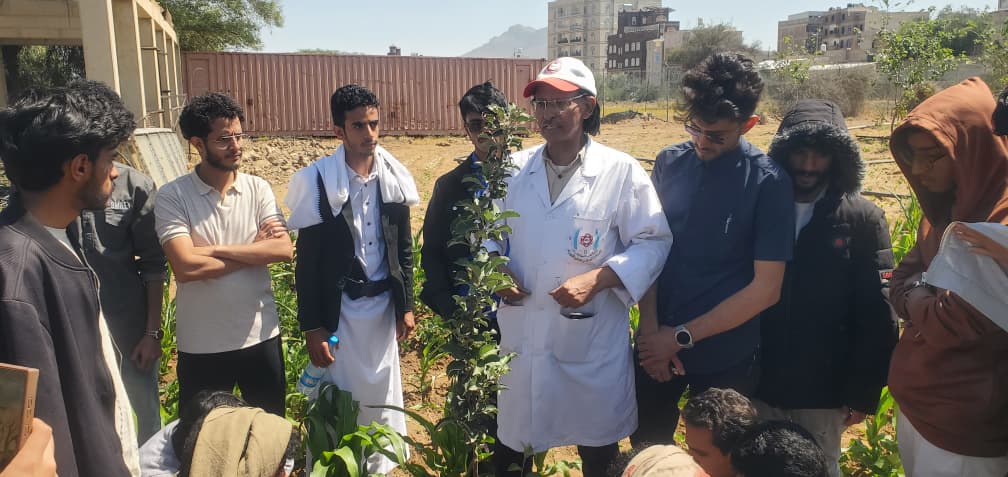
As part of the Faculty of Agriculture, Food, and Environment at Sana’a University’s efforts to strengthen practical learning and connect theoretical knowledge with real-world agricultural practices, second-year female students took part in specialized field training on the characterization of maize and the monitoring of its growth and development in the field. The training aimed to equip students with practical knowledge and skills in crop science and help them understand the botanical and morphological characteristics of agricultural crops.
The training covered the key morphological and botanical characteristics of maize, including the structure and characteristics of its root system and stem, leaf morphology, and the different stages of plant growth and development. Students also examined the distinguishing features of each growth stage, gaining a broader understanding of the crop’s growth patterns and requirements throughout its life cycle.
The practical sessions also involved field observations and measurements to monitor plant growth and assess its visible characteristics. These activities included measuring plant height, counting the number of leaves, and recording growth patterns and changes occurring at different stages of development. Students were also introduced to scientific methods for crop characterization and to the procedures for recording field data and measurements in accordance with established scientific standards.
The training provided students with an opportunity to apply their knowledge directly in the field by identifying plant characteristics, distinguishing morphological traits, taking measurements, documenting observations and field data, and monitoring changes throughout the plants’ growth and development. These activities contribute to strengthening their scientific and research skills and developing their abilities in observation, analysis, assessment, and practical crop management under field conditions.
The activity forms part of the Faculty’s field training program, which seeks to integrate theoretical coursework with practical applications, provide students with essential field experience, and develop their skills in crop characterization, the study of plant traits, growth monitoring, and field performance assessment. These efforts are intended to strengthen students’ academic and professional competencies and prepare them for careers in the agricultural and research sectors.
The training was conducted under the supervision of Eng. Ibraheem Al-Mazaal, who emphasized the importance of field training in developing students’ scientific knowledge and practical competencies. He noted that hands-on activities play a fundamental role in preparing qualified agricultural professionals by allowing students to apply academic knowledge and gain direct experience in working with crops. Such training, he added, helps equip future professionals with the scientific understanding, practical skills, and field experience needed to contribute to the development of the agricultural sector.
This activity reflects the Faculty of Agriculture, Food, and Environment at Sana’a University’s commitment to advancing agricultural education, expanding practical and field-based learning opportunities, and strengthening students’ research skills. It also supports the Faculty’s broader goal of preparing qualified agricultural professionals capable of applying scientific knowledge to crop studies, improving production practices, and contributing to agricultural development and scientific research.
Second-Year Female Students at Sana’a University’s Faculty of Agriculture Conduct Field Training on Maize Crop Characterization and Growth Monitoring
127 views
498 words
3 min read