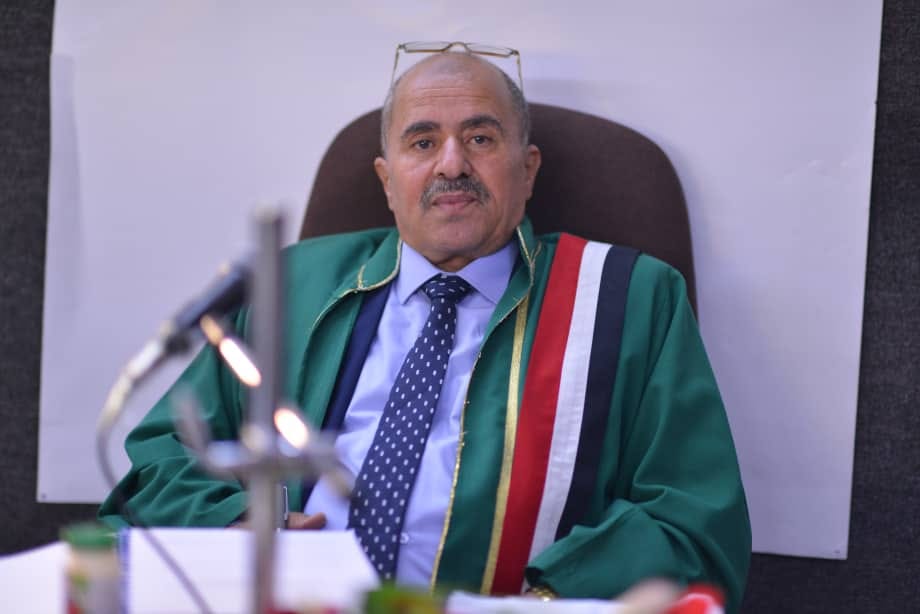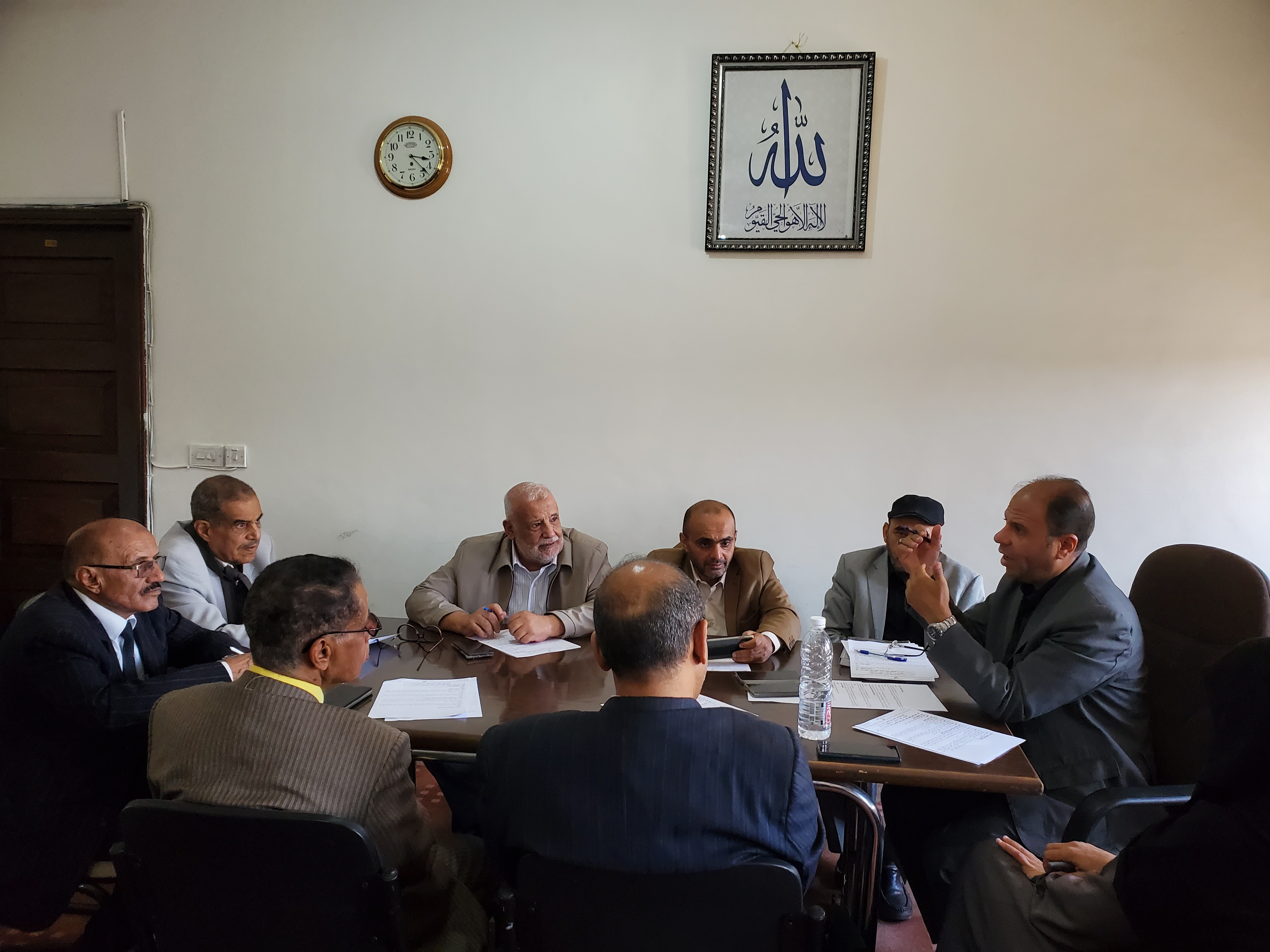
Researcher Ishraq Faisal Ahmed Mohammed was awarded a Master’s Degree in Private Law for her thesis titled: The Legal Regulation of Electronic Wallets: A Comparative Study of Yemeni and Egyptian Law, which was submitted to the Faculty of Sharia and Law – Sana’a University. The MA defense was held on Thursday, November 5, 2026.
The MA Viva-voce Committee, which was formed based on a resolution issued by the Graduate Studies and Scientific Research Council, consisted of the following:
Prof. Abdulrahman Abdullah Shamsan Al-Hammadi – Internal Examiner and Chair.
Prof. Abdo Mohammed Saeed Al-Suwaidi – External Examiner and Committee Member.
Assoc. Prof. Abdulkhaleq Saleh Abdullah Muazib – Supervisor and Committee Member.
The study aimed to define the legal concept of the electronic wallet and identify its characteristics, components, and legal nature, distinguishing it from electronic money and other similar payment instruments and systems. It also analyzed the legal frameworks governing electronic wallets under Yemeni and Egyptian law and examined the procedures for their issuance, opening, use, management, and closure.
The study further examined the parties to the legal relationships arising from electronic wallets and clarified their respective rights and obligations, particularly the obligations of electronic wallet service providers to protect users’ funds and data and ensure the security and confidentiality of transactions. It also addressed the rights of users and merchants, legal liability arising from the use of electronic wallets, and the associated risks. In addition, it assessed the adequacy of the legislative frameworks in both countries, identified shortcomings and legal gaps, and proposed ways to improve the applicable legal frameworks.
The study yielded several key findings. It critically asserted that an electronic wallet is not electronic money itself; rather, it is an electronic means of storing, managing, and using monetary value for payment and transfer transactions. The study also found that legal scholarship offers multiple definitions of electronic wallets, depending on the perspective from which they are examined, highlighting the need for a comprehensive legal definition that encompasses their functions, components, and legal nature.
The findings further demonstrated that electronic wallets differ from other electronic payment methods in their nature, mechanisms of use, and transaction settlement procedures. They also revealed that electronic wallets give rise to multiple legal relationships among issuers, users, and merchants, with the legal characterization of these relationships varying according to their nature. The study emphasized that the technical, financial, and legal particularities of electronic wallets require a legislative framework tailored to their specific characteristics.
In light of these findings, the researcher recommended establishing a clear and precise statutory definition of electronic wallets that distinguishes them from electronic money and other payment methods, regulating the legal relationships arising from their use, and clearly defining the rights and obligations of issuers, users, and merchants. The study also called for modernizing Yemeni and Egyptian legislation to accommodate the legal and technical characteristics of electronic wallets, drawing on comparative legal experiences, and strengthening legal and technical protections for users, particularly with regard to data confidentiality, transaction security, and the redemption of electronic value. It further recommended periodically reviewing the regulations governing electronic wallets to keep pace with technological developments and their expanding applications.
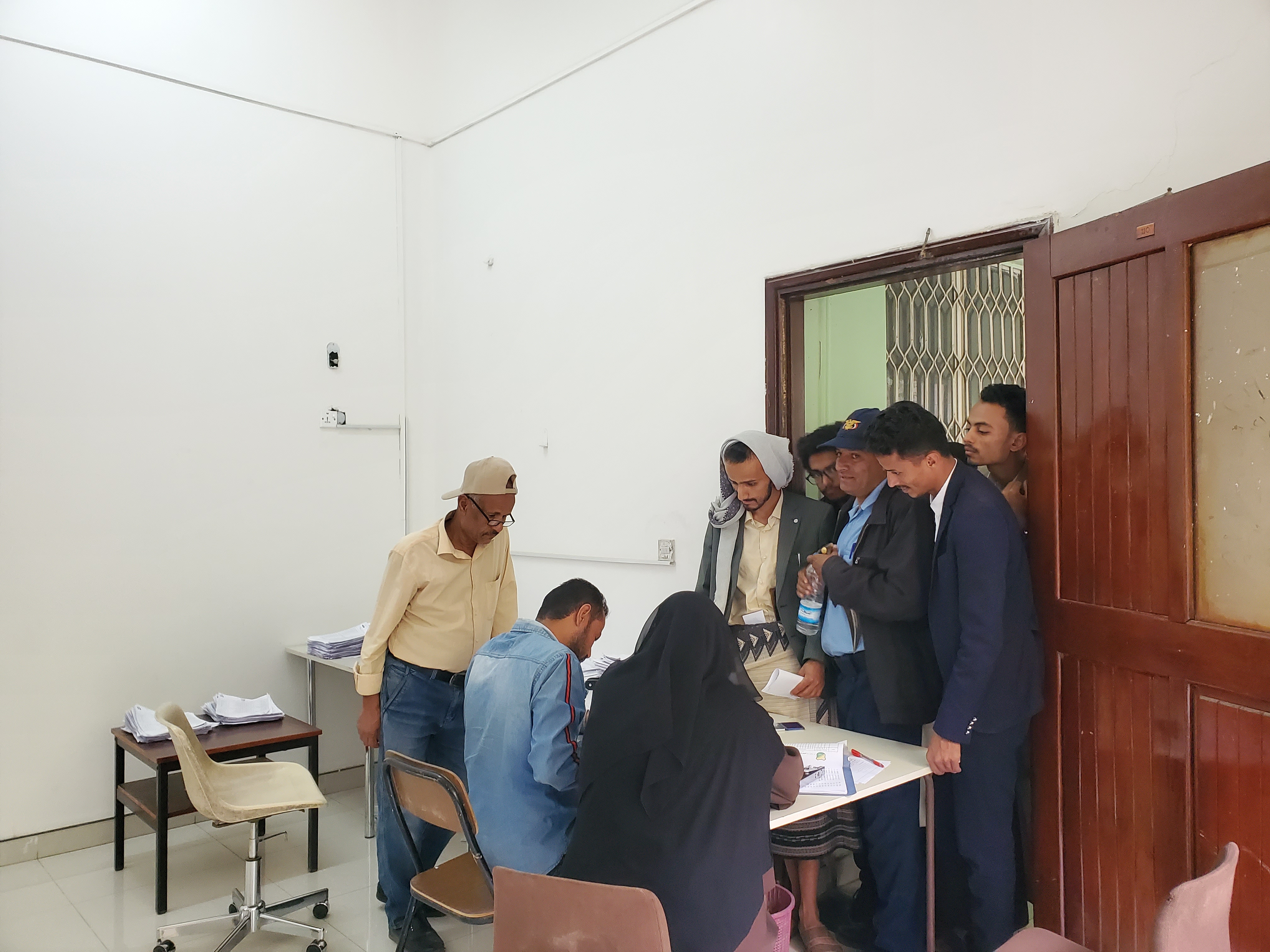
The thesis defense was attended by faculty members, researchers, graduate students, and interested participants as well as the researcher's colleagues and family members.
Master’s Degree Awarded to Researcher Ishraq Faisal Ahmed Mohammed in Private Law
92 views
549 words
3 min read