Master’s Degree Awarded to Researcher Hanan Taha Al-Warafi with Distinction in Pharmacology and Therapeutics
•Faculty of Medicine and Health Sciences
15 views •
321 words •
2 min read
Researcher Hanan Taha Qasim Al-Warafi was awarded a Master’s Degree in Pharmacology and Therapeutics for her thesis titled: The Potential Protective Effect of Vonoprazan against Carbon Tetrachloride-Induced Hepatotoxicity in Laboratory Experimental Animals, which was submitted to the Faculty of Medicine and Health Sciences, – Sana’a University. The MA defense was held on Monday, October 5, 2026.
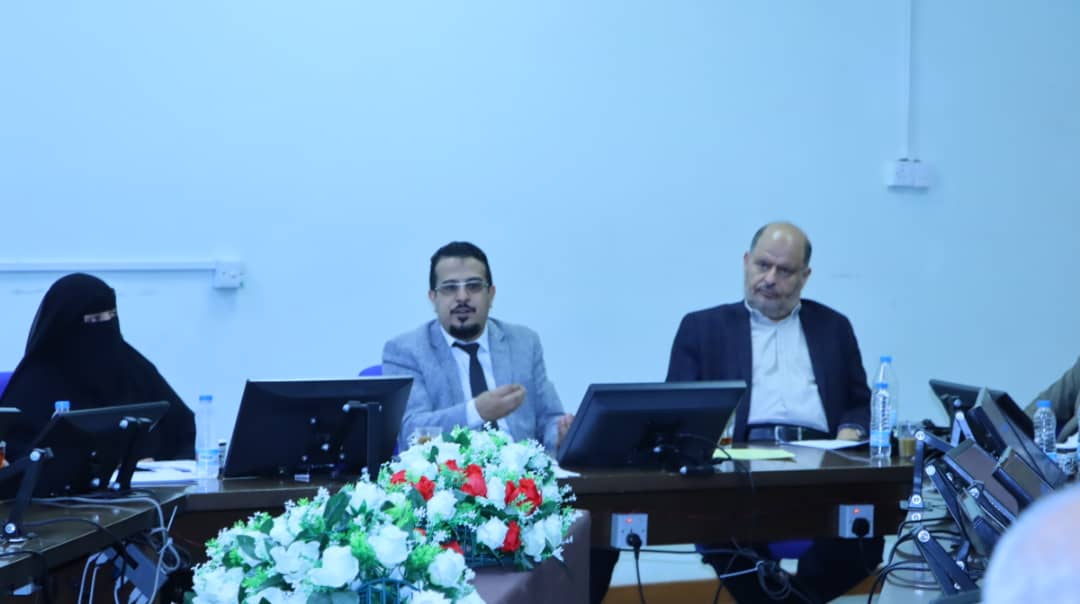
The MA Viva-voce Committee, which was formed based on a resolution issued by the Graduate Studies and Scientific Research Council, consisted of the following:
·Prof. Hassan Mohammed Hassan Al-Mahbashi – Sana’a University – Main Supervisor and Committee Member.
·Dr. Mohammed Abdulrahman Al-Khawlani – Sana’a University – Internal Examiner and Chair.
·Assoc. Prof. Khaled Mohammed Ahmed Al-Akahli – Thamar University – External Examiner and Committee Member.
The thesis aimed to evaluate the protective effects of vonoprazan at doses of 5 and 20 mg/kg against carbon tetrachloride-induced hepatotoxicity.
The thesis reached several key findings summarized as follows:
Vonoprazan at a dose of 5 mg/kg provided partial hepatoprotection, with significant reductions in ALT and AST enzyme levels, total bilirubin, and the lipid peroxidation marker malondialdehyde (MDA), alongside improvements in histopathological changes.
Vonoprazan at a dose of 20 mg/kg did not demonstrate hepatoprotective effects, suggesting that increasing the dose did not enhance protection within the dose range investigated.
Combining silymarin with vonoprazan at a dose of 20 mg/kg did not produce a clear additional protective benefit compared with silymarin alone.
Based on these findings,the researcher made several recommendations, including:
Conducting studies using multiple doses to determine the optimal dose for achieving hepatoprotection.
Investigating the potential mechanisms of action, particularly antioxidant, anti-inflammatory, and apoptosis-related pathways.
Conducting pharmacokinetic and tissue-distribution studies to measure vonoprazan concentrations in the blood and liver at both doses.
.
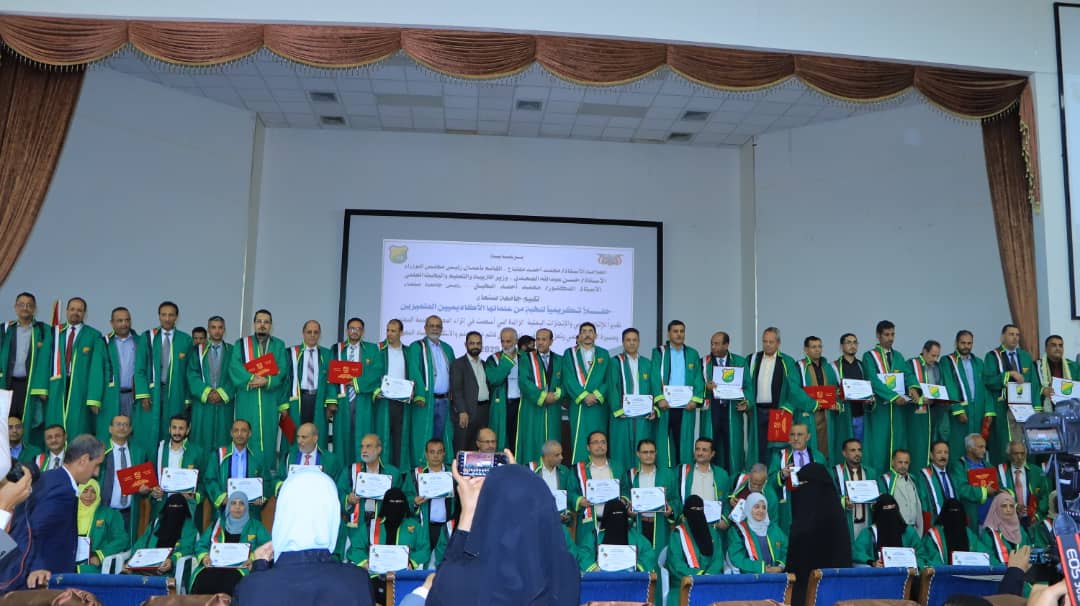
The thesis defense was attended by faculty members, researchers, students, and interested participants as well as the researcher's colleagues and family members.