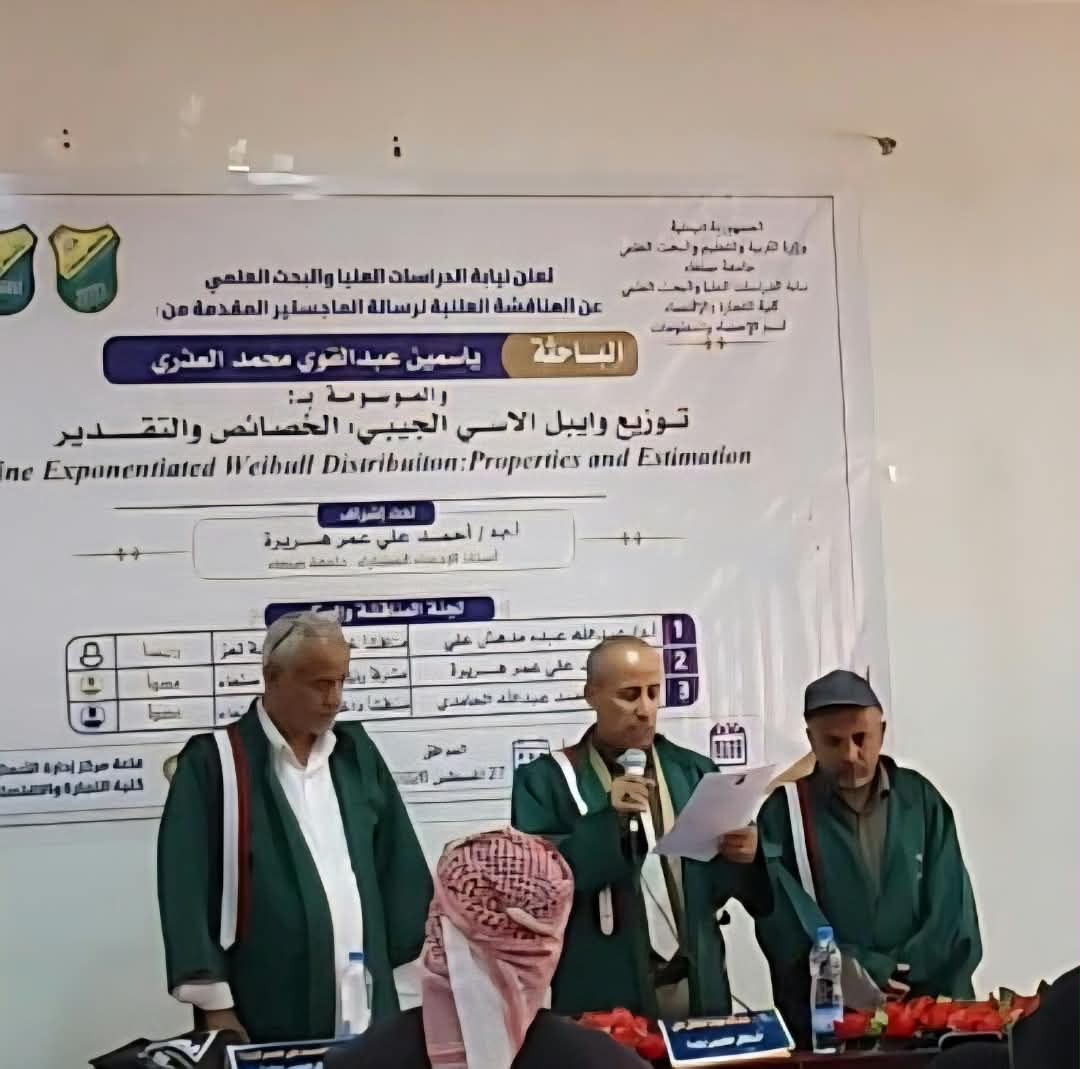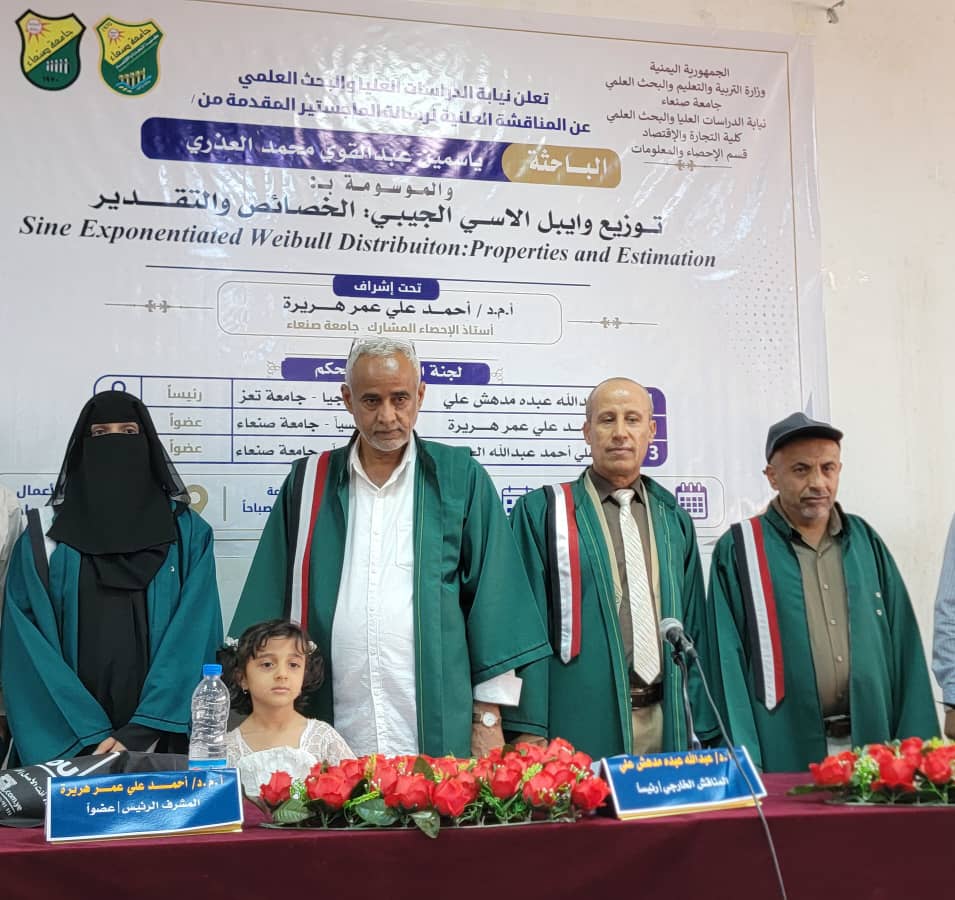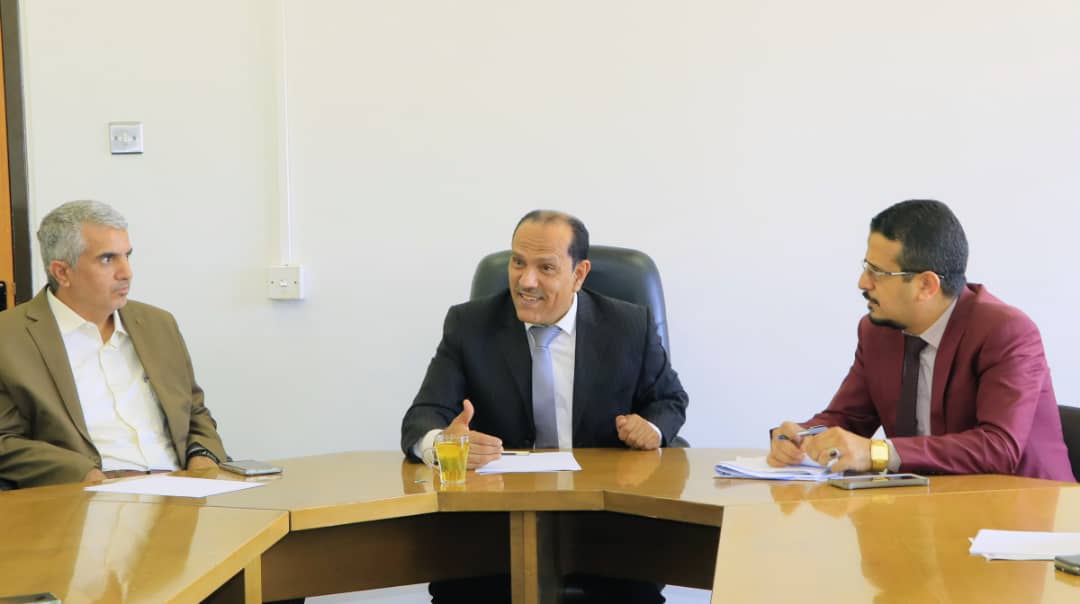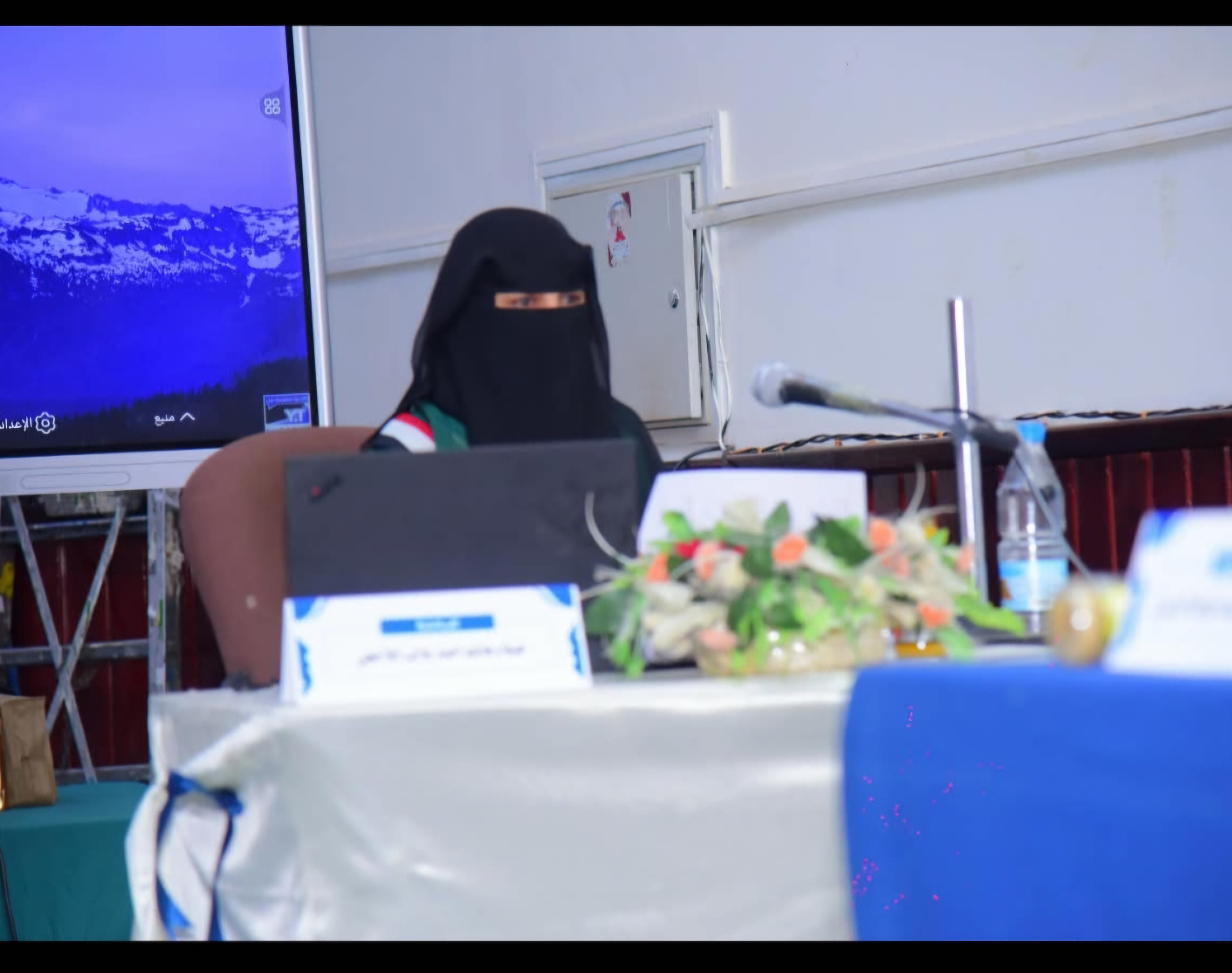
Researcher Yasmin Abdulqawi Mohammed Al-Uthari was awarded a Master’s Degree in Statistics and Information with an average of excellent and a grade of (93%) for her thesis titled: The Sine-Exponential Weibull Distribution: Properties and Estimation, which was submitted to the Faculty of Commerce and Economics– Sana’a University. The MA defense was held on Thursday, August 27, 2026.
The MA Viva-voce Committee, which was formed based on a resolution issued by the Graduate Studies and Scientific Research Council, consisted of the following:
• Prof. Abdullah Abdu Mudhesh Ali – Taiz University – External Examiner and Committee Chair.
• Assoc. Prof. Ahmed Ali Harirah – Sana’a University – Principal Supervisor.
• Assoc. Prof. Ali Ahmed Abdullah Al-Hamadi – Sana’a University – Internal Examiner and Committee Member.
The study aimed to propose a new probability distribution using the Sine-G generator, with the Exponential Weibull distribution as the baseline distribution, and to derive several key mathematical and statistical properties of the proposed distribution.
It also aimed to estimate the parameters of the proposed distribution using the maximum likelihood method and Bayesian estimation under different loss functions, as well as evaluate the performance of the estimators through Monte Carlo simulation using different sample sizes and various parameter values.
The performance of the proposed distribution was further evaluated by applying it to real-life datasets related to lifetime and reliability, and comparing its performance with several competing models and distributions using established statistical information criteria and goodness-of-fit measures.
The findings showed that estimator efficiency improves as sample size increases. They also demonstrated that Bayesian estimation methods achieved competitive performance, particularly under asymmetric loss functions.
A comparison of the estimation methods based on bias and mean squared error (MSE) indicated that the Bayesian methods were the most suitable for estimating the parameters of the proposed distribution under the scenarios examined.
The Sine-Exponential Weibull (SEW) distribution was also applied to a set of real-world datasets, and its performance was compared with that of its corresponding distributions and submodels. The goodness-of-fit statistics and information criteria used showed that the new distribution outperformed its submodels on the datasets examined.
The study put forward several recommendations, most notably the potential application of the SEW distribution in various fields, including reliability engineering, medical survival analysis, hydrology, and financial modeling, thereby enhancing its effectiveness and expanding its range of applications.
It also recommended extending the SEW distribution to multivariate settings, enabling the modeling of correlated lifetime and reliability data, and exploring its application to censored data, including Type I, Type II, and progressive censoring.
The study further called for the development of user-friendly software packages, such as Python packages, to facilitate the use of the SEW distribution by researchers and practitioners. It also recommended conducting future studies comparing the distribution with modern probability distributions to assess its performance more comprehensively and accurately.
The study additionally recommended expanding the research to include other estimation methods, including Bayesian approaches based on different prior probability distributions, examining additional loss functions and their effects on the performance of estimation methods, and developing new generalizations of the SEW distribution to enhance its flexibility and ability to accommodate different types of data.
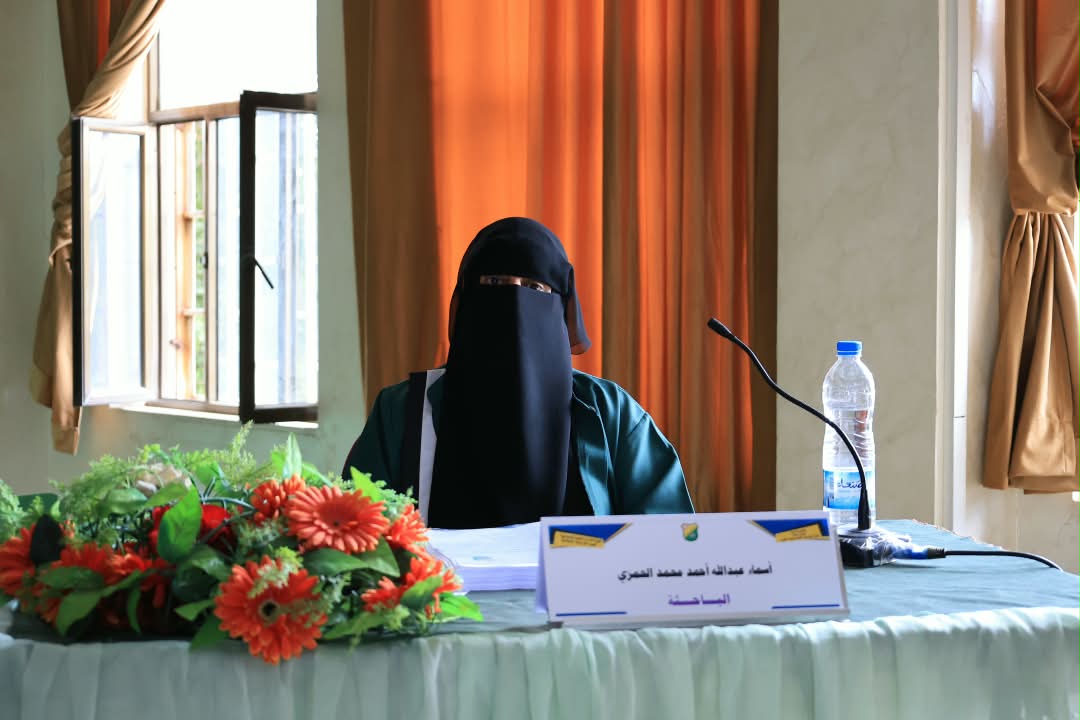
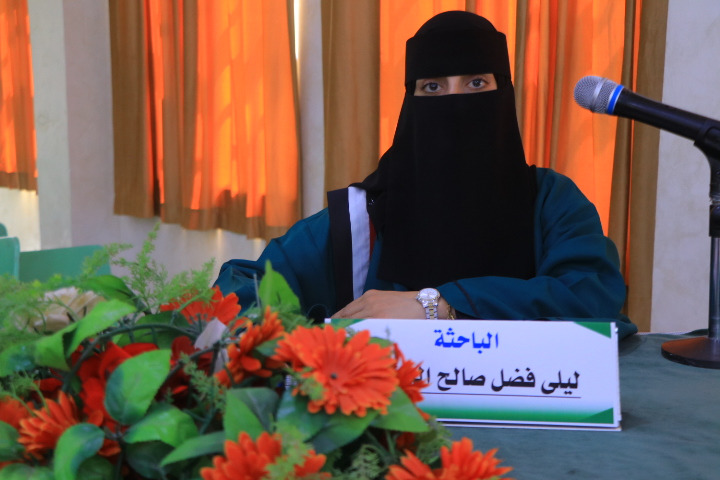
The defense session was attended by a number of academics, researchers, students, colleagues, and the researcher’s family.
.